

Field Notes / Photography Guides
When and Where to See the Northern Lights
Compare ten aurora destinations and plan your photographs around dark skies, local conditions and a landscape worth exploring.
DestinationsIntroduction
A clear September evening can bring green curtains over a mountain ridge, while a promising midwinter forecast can disappear behind cloud. Plan around places you want to photograph and give yourself several evenings to work with the sky.
Quick answer. September to March is a useful starting range for many Northern Hemisphere trips. Some destinations have dark skies from late August into April. Use the local dates, foregrounds and travel trade-offs in the comparison to decide where you want to go.
Compare destinations · Check the timing · Jump to camera settings
Timing
What Causes the Northern Lights?
Energetic particles excite gases high in Earth’s atmosphere, producing green and other colours. Activity is concentrated in a changing oval around each geomagnetic pole. Your position relative to the oval matters alongside geographic latitude. NOAA aurora tutorial.
When Is the Best Season?
Autumn: September and October
Dark nights return to much of the Arctic, and some landscapes still retain autumn color. Rivers and lakes may be unfrozen, creating reflection opportunities. September also suits photographers who want to combine an aurora outing with colorful daylight landscapes.
Trade-off: darkness is shorter than in deep winter; coastal weather can be rainy or cloudy. Local daylight length varies widely between southern Iceland, Lofoten, Lapland and more northerly areas.
Winter: November to February
Long nights create more hours during which aurora can be visible. Snow-covered landscapes can provide luminous foregrounds under moonlight, and the Arctic winter atmosphere is distinctive.
Trade-off: cold, storms, icy roads and very short daylight hours complicate driving, photography and scouting.
Late winter and early spring: February to April
At many destinations this is an excellent compromise between nighttime darkness and usable daylight for photography and travel. Snow may remain while the daylight photographic window improves.
Trade-off: the window for true darkness shortens toward spring and eventually disappears in high-latitude summer. April opportunities vary substantially by location.
What About the Equinoxes?
Geomagnetic activity tends to increase around the equinoxes in the long-term record, in part because of the Russell–McPherron effect. September and March are worth considering for their mix of daylight and dark skies. Use the local forecast to plan an actual outing. Natural History Museum explanation of the equinox effect.
What Time of Night Should You Look?
Around local midnight is a useful window to watch, and displays also happen earlier in the evening or near dawn. If the sky is dark and clear, look periodically from dusk. Near the auroral oval, look overhead as well as toward the horizon. NOAA viewing guidance.
Darkness, Cloud and Auroral Activity
- Darkness. Check local twilight, especially near the start and end of the viewing season.
- Cloud. Look for usable gaps and a safe way to reach them. The Icelandic Meteorological Office publishes cloud cover alongside auroral activity. Icelandic Met Office forecast.
- Activity. Kp describes global geomagnetic disturbance over three-hour intervals. Near the oval, a modest Kp can still accompany a visible display. NOAA viewing guidance.
How Far Ahead Can You Forecast?
| Lead time | What to use it for |
|---|---|
| Months ahead | Compare daylight, usual conditions and where you can stay. |
| 27-day outlook | Broad context on potential recurrence of solar activity. |
| A few days | Check the developing cloud forecast and geomagnetic outlook. |
| 30–90 minutes | Check the short-range position and intensity of the auroral oval. |
The short-range aurora map helps you decide where to watch that evening. Read it alongside a local cloud forecast. NOAA 30-minute aurora forecast · University of Alaska Fairbanks aurora outlook.
Working With Moonlight
A dark sky can make faint aurora easier to see. Moonlight may reduce that contrast while revealing texture in mountains, snow and beaches. Check the Moon’s direction and rise time if you want to light the foreground naturally.
Compare all 10 destinations
At a glance
| Destination | When to go | Photographic subject | Trade-off |
|---|---|---|---|
| Lofoten Islands, Norway | Late August to early April | Coastal peaks, villages and reflections | Fast-changing maritime weather |
| Tromsø, Northern Norway | Late August to early April | Fjords and inland valleys from one base | Winter road conditions and travel distances |
| Iceland | September to April | Volcanic coast, mountains, ice and waterfalls | Wind, surf and road conditions |
| Abisko and Kiruna, Sweden | September to March | Mountain silhouettes, lakes and snow | Cold and local transport logistics |
| Finnish Lapland | Late August to early April | Snow-coated trees and frozen lakes | Cold and light around resort centres |
| Fairbanks, Alaska | August 21 to April 21 | Boreal forest and broad inland skies | Severe winter cold |
| Yellowknife, Canada | Mid-August to late September, then mid-November to early April | Lakes, Canadian Shield and boreal forest | Cloudier transition in October and early November |
| Ilulissat, Greenland | September to April, with January to April recommended for winter outings | Icebergs and glacial coastlines | Limited access and specialised local logistics |
| Svalbard, Norway | Late September to mid-March | High Arctic landscapes and polar-night darkness | Extreme conditions and specialist guidance |
| Churchill, Manitoba | January to March, especially February and March | Open tundra and broad subarctic horizons | Remote access and polar-bear precautions |
Destinations
Lofoten Islands, Norway
When to go. Late August to early April. Visit Lofoten.
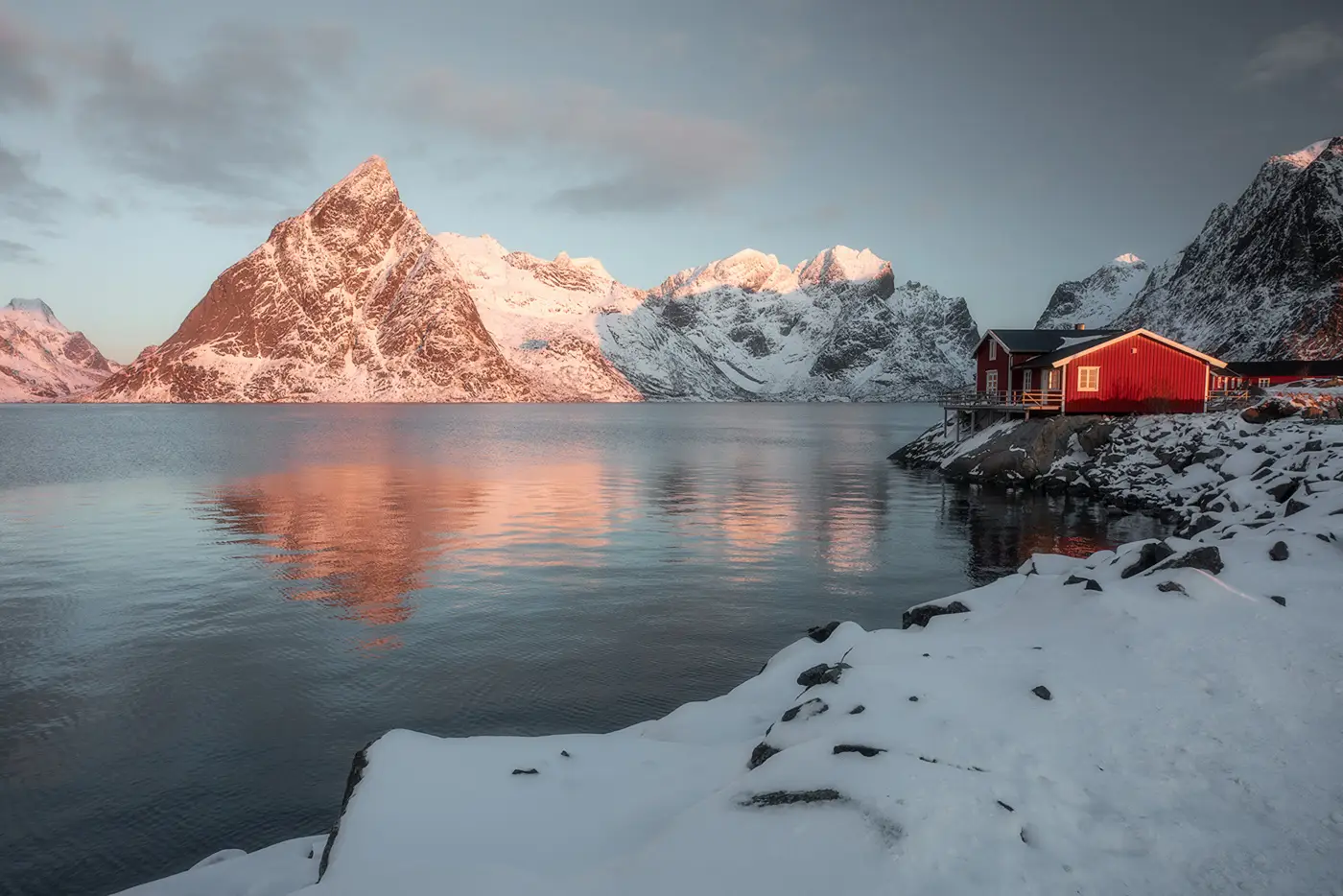
Photographic appeal: dramatic peaks, beaches, fishing villages, fjords and reflections. A dynamic aurora can work with a strong existing landscape composition rather than filling an empty frame.
Main obstacle. The exposed coast can see rapid changes in wind and visibility. Check winter road and ferry conditions.
Best for: photographers who value a distinctive mountain-and-sea setting as much as the night sky itself.
Tromsø, Northern Norway
When to go. Late August to early April. Visit Tromsø.
Photographic appeal: fjords, mountains, forests, inland valleys and frozen lakes, accessible with a major regional base.
Main obstacle: variable weather and winter driving. Scout legal stopping points outside the city, with safe winter access. Coastal and inland valleys give you different compositions.
Best for: travelers wanting established infrastructure and some flexibility in searching for clear skies.
Iceland
When to go. September to April. Visit Iceland.
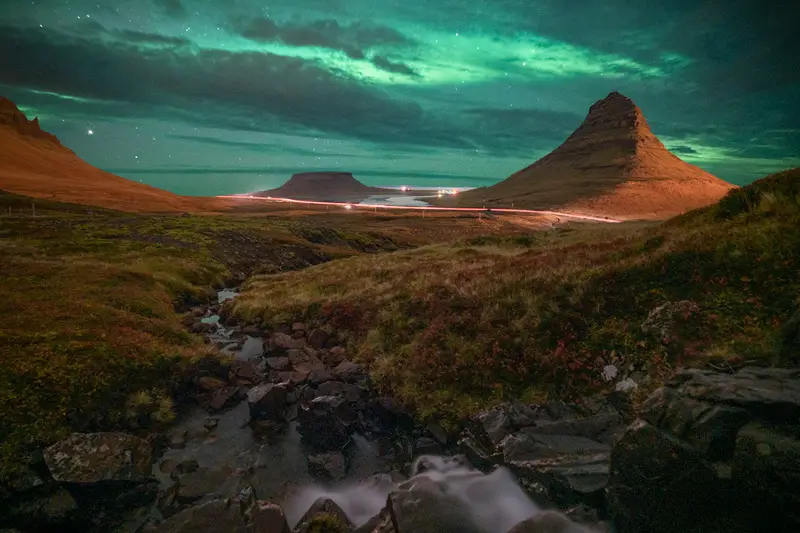
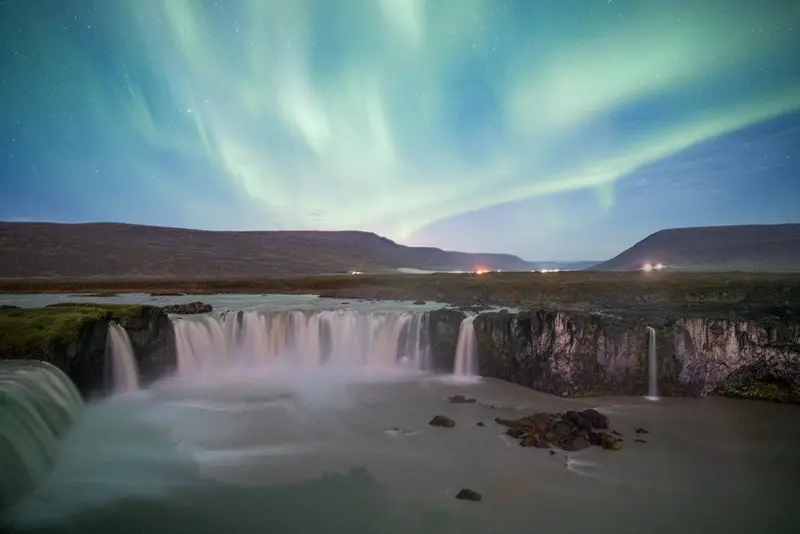
Photographic appeal: black sand, glaciers, mountains, dramatic coastlines, ice lagoons and waterfalls. Iceland is especially strong for creating photographs with a clear sense of location.
Main obstacle: rapidly changing cloud, wind, road and surf conditions. Scout the foreground and safe access in daylight.
Best for. Photographers who want varied landscapes in the same trip. Icelandic Met Office cloud and aurora map · SafeTravel Iceland · OPD guide to Iceland photography locations.
Abisko and Kiruna, Sweden
When to go. September to March. Kiruna Lappland.
Photographic appeal: Abisko’s lake and valley, mountain silhouettes, forests and snow-covered northern scenery.
Main obstacle: extreme temperatures, local travel logistics and conditions that can still vary. Check connections between Kiruna and Abisko for your travel dates.
Best for: those willing to use a northern base and move within a relatively compact region for varied, clean compositions.
Finnish Lapland
When to go. Late August to early April. Visit Finland.
Photographic appeal: trees coated in snow, frozen lakes, boreal forest, minimal winter shapes and subtle moonlit landscapes.
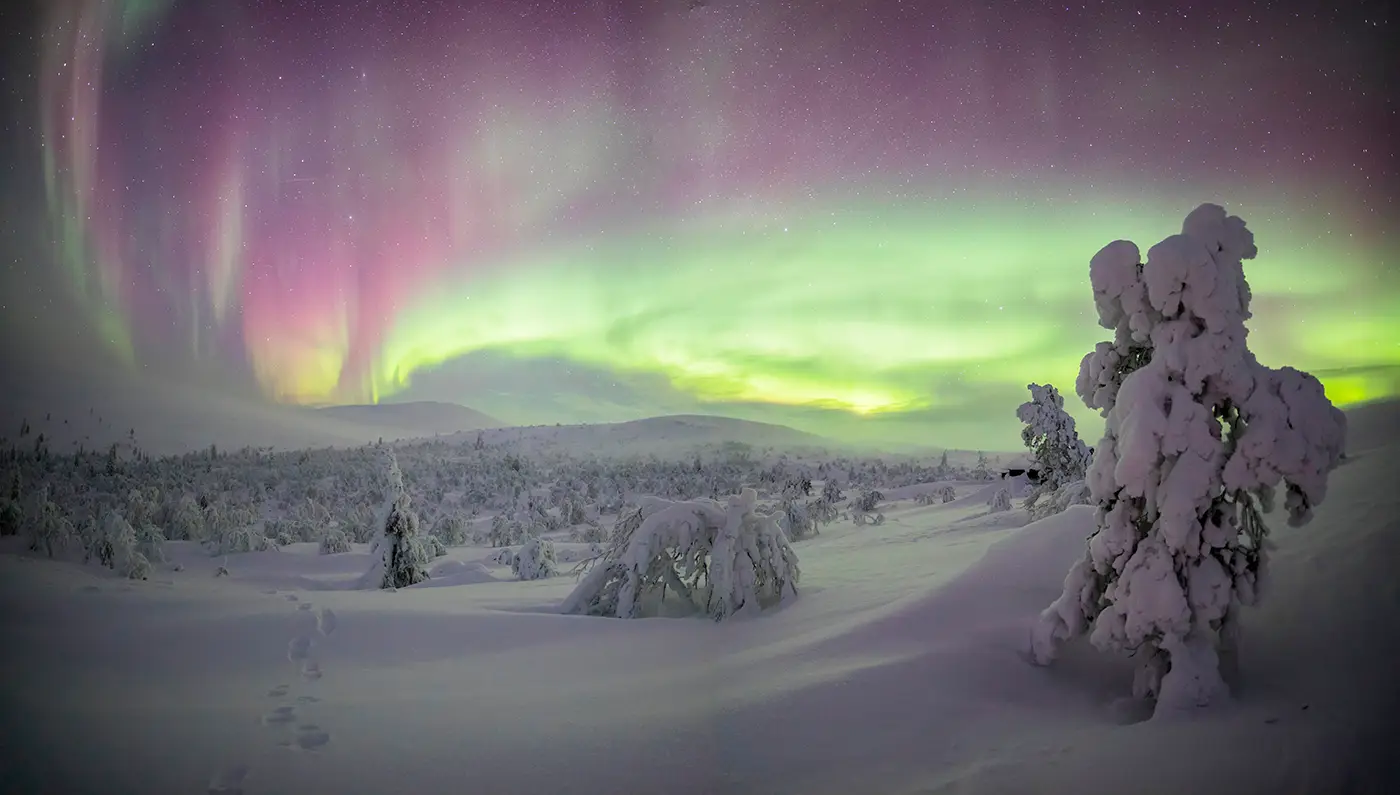
Main obstacle: very cold weather, sometimes flat horizons, and the need to distinguish heavily visited Rovaniemi from more northern or remote Lapland locations.
Best for: photographers who appreciate understated, minimalist winter scenes.
Fairbanks, Alaska
When to go. August 21 to April 21. Explore Fairbanks.
Photographic appeal: boreal forest, frozen rivers, dark skies away from town and broad landscapes.
Main obstacle: severe cold and winter logistics. Look for a viewing site with a warm shelter nearby.
Best for: travelers who prioritize multiple dark-night opportunities and an inland base.
Yellowknife, Canada
When to go. Mid-August to late September, then mid-November to early April. Northwest Territories Tourism.
Photographic appeal: Canadian Shield rock, lakes, boreal forest and relatively open skies beyond the city.
Main obstacle. October and the first half of November tend to be cloudier, especially from mid-October. In winter, plan for intense cold and confirm local access arrangements. Yellowknife’s cloudier shoulder season.
Best for: viewers and photographers comfortable with cold-weather travel and a destination centered strongly on aurora experiences.
Ilulissat, Greenland
When to go. September to April, with January to April recommended for winter outings. Visit Greenland’s Ilulissat guide · Greenland’s aurora season.
Photographic appeal: monumental icebergs, frozen coastal scenery and a landscape unlike the Nordic mainland.
Main obstacle: cost, access, limited infrastructure and potentially challenging travel conditions. Stick to established viewing areas and arrange local guidance for remote shoreline or ice environments.
Best for: experienced travelers prioritizing unique landscape context and willing to plan conservatively with local expertise.
Svalbard, Norway
When to go. Late September to mid-March. Visit Svalbard.
Photographic appeal: vast Arctic relief, a distinctive polar environment and extremely long winter darkness.
Main obstacle: polar-bear safety, remoteness and extreme environmental conditions. Use a professional local guide for trips outside settlements and check the current safety rules. Visit Svalbard safety guidance.
Best for: specialized guided experiences, not an effortless first aurora holiday. At such high latitudes, auroral geometry can differ from the impression that “farther north always means better.”
Churchill, Manitoba
When to go. January to March, especially February and March. Travel Manitoba · Churchill’s late-winter peak.
Photographic appeal: open tundra, boreal margins, snow and broad sky.
Main obstacle: limited access, winter weather, expense and important wildlife safety considerations—including polar bears. Use established operators and follow local guidance. Parks Canada polar-bear safety.
Best for: visitors drawn to a remote subarctic environment and comfortable with the practical limits of reaching it.
Choose a Destination for the Photograph
There is a genuine difference between seeing an aurora and photographing it well.
If viewing is your primary objective, clear sky, darkness, safety and proximity to auroral activity are decisive. A parking area beneath a clear sky can deliver an unforgettable experience.
For a strong landscape photograph, the frame needs more structure:
- A meaningful landscape subject: mountains, shoreline, trees, ice or a recognizable sense of place.
- A considered relationship between land and sky: foreground does not always have to be an obvious rock at the bottom of the frame.
- Compositional flexibility: auroras move and change shape; the ideal angle may shift during the display.
- Light on the land: moonlight, twilight and faint ambient illumination can turn a dark silhouette into a compelling image.
- Safe access after dark: no composition is worth stepping onto unstable ice, an exposed cliff edge or dangerous surf.
For OutdoorPhotoDream’s visual style, Lofoten, Iceland and Finnish Lapland offer three different kinds of opportunity:
- Lofoten: bold mountain forms, water and changing coastal atmosphere.
- Iceland: diverse geology, strong landforms and striking foreground variety.
- Finnish Lapland: minimal, quiet winter textures and subtle woodland structure.
A Practical Aurora Photography Plan
Before traveling
- Choose dates with adequate darkness and plan multiple nights rather than a one-night gamble.
- Check likely weather patterns, access and flexibility; consider travel insurance and winter transport conditions.
- Scout several compositions that face different directions and are accessible after dark.
- Research local safety rules, restricted areas, road closures and tour requirements.
During the afternoon
- Consult the current cloud forecast and choose at least one backup viewing area.
- Check the regional aurora outlook alongside the local cloud forecast.
- Check Moon phase/rise, astronomical darkness, snow/ice, wind and available shelter.
- Set up basic camera controls before nightfall and protect batteries from cold.
When darkness arrives
- If the sky is clear, watch it periodically even if the Kp forecast looks modest.
- Choose composition first; a strong aurora alone does not create a balanced landscape photograph.
- Make an initial exposure, inspect focus and histogram, and adjust shutter speed as auroral movement changes.
- Keep a warm, safe fallback location; never chase an alert into unsafe conditions.
After the display
- Review frames for composition, not only aurora intensity.
- Preserve realistic color and tonal relationships during editing.
- Write authentic captions with real conditions and actual exposure settings.
If you want to build a composition while there is still usable daylight, scout it before dark. Blue hour field planning and exposure guide.
Camera Settings
Mount the camera on a stable tripod and shoot in RAW. Switch to manual focus, magnify live view on a bright star and turn the focus ring until it becomes a small, sharp point. Check the star in your first frame and again if you change focal length.
Start With a Test Exposure
With a wide-angle lens, try f/2.8, ISO 1600–3200 and about 5 seconds. Check the shape of the curtains, the sharpness of the stars and the exposure of the foreground. Adjust from that test frame as the display changes.
Adjust for Brightness and Motion
For a bright, fast-moving curtain, shorten the exposure to keep its folds distinct. Lower ISO if highlights are still too bright. If the aurora is faint and moving slowly, lengthen the exposure while the stars and structure stay sharp. If you need a short shutter for a faint, fast display, raise ISO as needed and watch the noise.
Check the RGB Histogram
Review the separate red, green and blue channels, especially green. If the green channel clips against the right edge, shorten the exposure or reduce ISO and check the next frame. The overall brightness histogram can miss clipping in a single channel. Nikon’s aurora photography guide · NASA’s field photography guide.
Adapt to the Foreground
| Scene | Adjustment |
|---|---|
| Faint, slow aurora | Try a longer exposure. Check the stars and the edges of the curtains. |
| Fast, bright curtains | Shorten the shutter time to preserve detail. |
| Moonlit snow | Check the brightest areas of snow as well as the sky. |
| Dark foreground | Look for a silhouette or make a separate, carefully matched exposure. |
Forecast Tools
- Short-range auroral oval and intensity. NOAA SWPC 30-minute aurora forecast.
- Regional context and outlooks for Alaska. University of Alaska Fairbanks aurora forecast.
- Local cloud cover alongside an auroral activity scale. Icelandic Meteorological Office aurora forecast.
Frequently Asked Questions
What is the single best month for northern lights?
September to March is a useful planning range for many destinations. The local windows in the comparison help you choose dates for each place.
Is January better than September?
January offers longer nights and winter foregrounds in much of the Arctic. September gives you autumn colour and often more daylight for scouting.
Can I see the northern lights with a full Moon?
Yes. A bright Moon may obscure faint aurora but can illuminate foreground landscapes beautifully. Strong aurora remains visible under many moonlit conditions.
Is Kp 5 required to see aurora?
No. At suitable auroral latitudes, visible displays can occur at lower Kp. Kp is a global geomagnetic index, not an exact local brightness forecast.
Can I predict an aurora trip months ahead?
Use dates, typical climate and travel logistics to plan months ahead. Use short-range forecasts to choose an evening’s location.
How many nights should I stay?
Plan several evenings if your schedule allows. Three or more nights gives you options to move an outing when conditions change.
Is the farthest-north destination always the best?
No. The auroral oval relates to geomagnetic geography and changes over time. Weather, access and available dark sky can outweigh a simple geographic latitude comparison.
Is Iceland or Norway better for photography?
Iceland offers volcanic and glacial landscapes. Lofoten has coastal peaks and villages, and the Tromsø region gives you access to both fjords and inland valleys. Choose the landscapes you would enjoy photographing in daylight as well.
Final Thoughts
Choose a place that you would still enjoy photographing under a quiet sky. A shoreline, a line of snowy trees or a glacial landscape can give a brief display the context it needs.
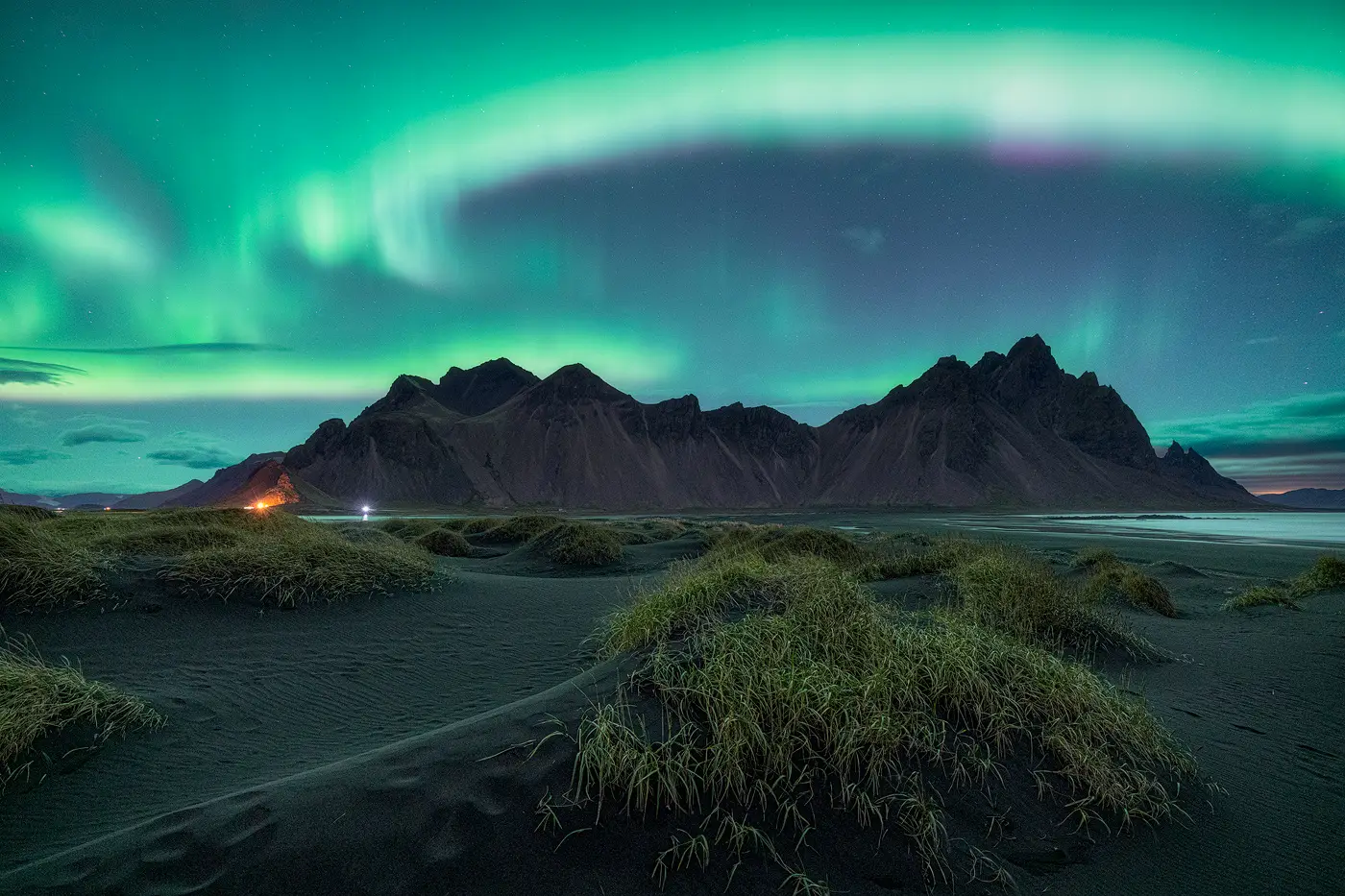
The strongest frame may come when a simple foreground and the shape of the lights fall into place. On Iceland’s southeast coast, scout the landforms and check access in daylight. Vestrahorn and Stokksnes photography guide.
Explore with OutdoorPhotoDream
Group Photography Tours
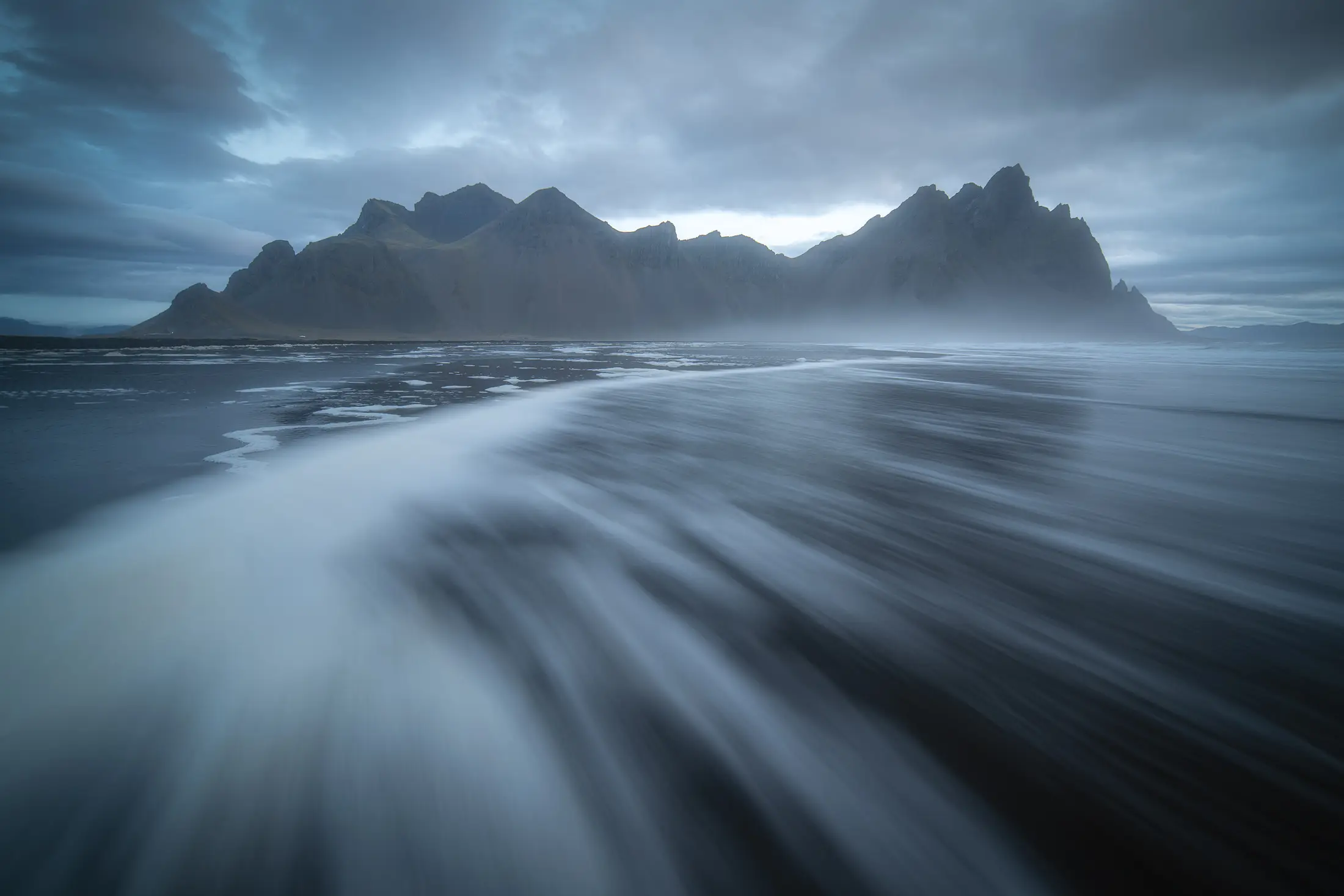
Iceland Autumn Photography Tour
Photograph Iceland’s autumn coast, mountains and glacial landscapes. The itinerary includes time for aurora photography when the weather and activity allow.
Explore Photo Tour
About the author
Federico Antonello
Related Field Notes

Best Photography Locations in Iceland: A Practical Landscape Photographer’s Guide
Explore 18 Iceland photography locations and four Highland stops, with realistic walking times, seasonal light, and practical advice for planning your route.
Blue Hour Photography: Camera Settings, Timing and Practical Field Tips
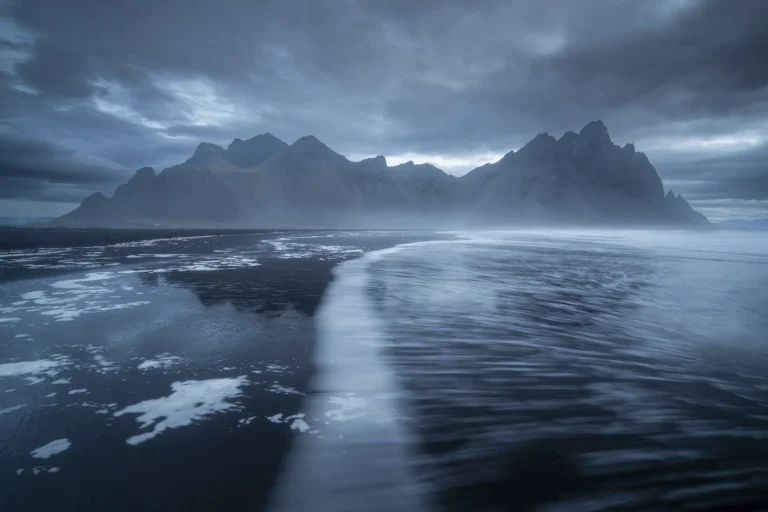
Plan your next blue hour session with camera settings for mountains, snow, water and cities, plus practical advice on twilight, focusing and exposure.
Vestrahorn & Stokksnes: The Complete Travel and Photography Guide
Plan a Vestrahorn visit around the Viking Café ticket, Stokksnes dunes and reflections, changing light and safe coastal access.


