

DESTINATION GUIDE
My Favourite Mountain Huts in the Dolomites for Sunrise, Sunset and Photography
From iconic peaks and alpine lakes to remote mountain trails, these are the mountain huts I keep returning to in search of sunrise, sunset and atmosphere in the Dolomites.
The Dolomites are home to some of the most spectacular mountain huts in the Alps.
Perched above valleys, hidden beneath dramatic peaks or positioned along iconic hiking routes, these mountain refuges offer far more than a place to sleep. They provide access to sunrise, sunset, changing weather and some of the most rewarding photography opportunities in the mountains.
Over the years, I have spent countless days exploring the Dolomites with a camera, often returning to the same places in search of different light, seasons and conditions. While there are many excellent mountain huts across the region, a few stand out for their atmosphere, photographic potential and unforgettable surroundings.
This is not a ranking of the most luxurious huts or the easiest places to reach. It is simply a selection of mountain huts that I believe offer some of the best experiences for photographers, hikers and anyone looking to spend time immersed in the landscape.
From the iconic Tre Cime di Lavaredo to the turquoise waters of Lago di Sorapis and the dramatic towers of the Catinaccio, these are the mountain huts I keep recommending and returning to.
Rifugio Lagazuoi
If I could recommend only one mountain hut in the Dolomites to photographers, hikers and travellers looking for an unforgettable mountain experience, Rifugio Lagazuoi would probably be my first choice.
Perched at 2,752 metres above sea level, high above Passo Falzarego, it offers one of the most spectacular viewpoints in the entire Dolomite range. From the terrace and surrounding ridges, the views stretch across the Tofane, Marmolada, Civetta, Pelmo and countless other peaks.
One of the reasons why Lagazuoi is such a rewarding destination is that it remains relatively accessible compared to many other high-altitude mountain huts in the Dolomites. The refuge can be reached directly by cable car from Passo Falzarego in just a few minutes, making it an excellent option even for travellers with limited hiking experience. For those who prefer reaching the summit on foot, several trails climb from the pass towards the refuge, offering a more immersive mountain experience and spectacular views along the way.
What makes Lagazuoi particularly special is its ability to deliver extraordinary conditions throughout the day.
Sunrise often begins above a sea of clouds filling the valleys below. The first light gradually illuminates the surrounding peaks while distant mountain groups emerge from the darkness.
Sunset is equally impressive, especially during clear autumn evenings when the Dolomites glow with warm alpenglow colours.
For photographers, opportunities extend well beyond sunrise and sunset. The area offers excellent possibilities for telephoto landscapes, atmospheric weather photography and night photography. On clear nights, the Milky Way can often be photographed directly above the surrounding peaks.
What truly sets Lagazuoi apart, however, is that the experience extends far beyond the scenery. Over the years, I have found it to be one of the best-managed mountain huts in the Dolomites. The atmosphere is welcoming, the staff are consistently friendly and professional, and the attention to detail helps create an experience that feels special from the moment you arrive.
The food is another highlight. After a long day spent hiking or photographing in the mountains, enjoying a well-prepared meal while watching the last light fade across the surrounding peaks is one of those simple pleasures that makes a stay here particularly memorable.
Beyond photography, the hut itself provides one of the most rewarding overnight experiences in the Dolomites. Waking up above the clouds and stepping directly into the alpine landscape is something that remains with you long after the trip has ended.
For me, Lagazuoi remains one of those places that never feels the same twice. Weather, seasons and light constantly reshape the landscape, creating new photographic opportunities every time I return.
Rifugio Antonio Locatelli
Few mountain huts in the Alps can rival the location of Rifugio Antonio Locatelli.
Situated directly beneath the iconic Tre Cime di Lavaredo, it occupies one of the most recognisable landscapes not only in the Dolomites, but in the entire mountain world. For photographers, hikers and outdoor enthusiasts, spending a night here is often considered a bucket-list experience.
One of the reasons why Locatelli remains surprisingly accessible is the variety of ways to reach the area. Many visitors choose to drive to Rifugio Auronzo via the toll road from Misurina before continuing on foot towards Locatelli. While this is certainly the easiest option, it is worth remembering that parking spaces can fill quickly during the summer months. Once the parking area reaches capacity, access to the road may be temporarily restricted.
Another option that I often recommend is using one of the seasonal shuttle buses that connect Misurina and the Tre Cime area. Depending on the season, these services run regularly throughout the day and can remove much of the stress associated with parking.
For those looking for a more rewarding mountain experience, the hike from the area of Chalet Lago Antorno offers a beautiful approach through some of the most famous landscapes in the Dolomites. Depending on pace and route variations, reaching Rifugio Locatelli generally takes around three to four hours on foot.
What makes Locatelli so special is its proximity to the Tre Cime. Rather than simply viewing them from a distance, staying overnight allows you to experience the mountains during the most rewarding moments of the day, when the crowds have disappeared and the landscape becomes quieter and more atmospheric.
Sunrise is undoubtedly one of the highlights. The first light gradually illuminates the north faces of the Tre Cime while the surrounding peaks emerge from the shadows. Under the right conditions, low clouds and changing weather can transform an already spectacular scene into something unforgettable.
Photography opportunities extend far beyond the famous view from the refuge. The surrounding area offers access to Forcella Lavaredo, Monte Paterno and numerous viewpoints that reveal different perspectives of the Tre Cime throughout the day.
Unlike some of the more comfortable mountain huts in the Dolomites, Locatelli remains relatively simple and functional in its approach. However, this is rarely the reason people come here. The true attraction is the location itself, which remains one of the most extraordinary places to spend a night in the mountains.
Another advantage is the presence of nearby mountain huts such as Rifugio Lavaredo and Rifugio Auronzo. Together, they create one of the most accessible and rewarding alpine areas in the Dolomites, suitable for both experienced hikers and travellers looking to experience these legendary peaks without committing to demanding mountaineering routes.
For anyone visiting the Dolomites for the first time, Locatelli is one of those places that immediately explains why this mountain range has become famous around the world.
Rifugio Vandelli & Lago di Sorapis
Among all the alpine lakes in the Dolomites, Lago di Sorapis remains one of the most extraordinary.
Its surreal turquoise colour, dramatic mountain surroundings and constantly changing atmosphere have made it one of the most photographed locations in the region. Yet despite its popularity, it still manages to feel special, particularly outside the busiest hours of the day.
Rifugio Vandelli sits just above the lake and offers one of the most rewarding overnight experiences for anyone wanting to explore the area beyond the crowds.
The most common approach starts from Passo Tre Croci, where the trail reaches the refuge in roughly two hours depending on pace and conditions. The route is relatively straightforward, although a short section equipped with cables adds a very easy ferrata-like passage that most hikers can complete without difficulty.
Another trail approaches the area from the side of Misurina and the Cadini region. This alternative route is generally considered longer and more demanding, making the Passo Tre Croci trail the preferred choice for most visitors.
One of the challenges, especially during summer, is parking. Available spaces near the trailheads are limited and can fill quickly during high season. Arriving early is often essential, particularly on weekends and during the busiest months.
The popularity of Lago di Sorapis has increased dramatically in recent years and, during summer afternoons, the area can become extremely crowded. For this reason, I rarely visit the lake during the middle of the day.
Personally, I find that the most rewarding moments happen later in the evening. Reaching the lake close to sunset completely changes the atmosphere. The crowds begin to disappear, the light becomes softer and the surrounding peaks slowly take on warmer colours.
Whenever possible, I prefer either returning after sunset with a headlamp or spending the night at Rifugio Vandelli itself. Staying overnight allows you to experience the lake during its quietest moments, long before the first day visitors arrive.
For photographers, this makes an enormous difference.
Early morning fog, reflections on calm water, changing weather and soft light often create opportunities that simply do not exist during the busiest hours of the day.
While many visitors come to Sorapis for a quick hike and a photograph of the lake, spending more time here reveals a very different experience. The combination of the refuge, the surrounding mountains and the constantly changing atmosphere makes this one of the most memorable places in the Dolomites.
For me, Lago di Sorapis is one of those locations that proves how important timing can be. The landscape itself is beautiful, but sunrise, sunset and quiet conditions are what truly transform the experience.
Rifugio Re Alberto
Among all the mountain huts in the Dolomites, Rifugio Re Alberto is probably one of the places that left the strongest impression on me.
Hidden beneath the spectacular Torri del Vajolet in the heart of the Catinaccio group, it feels completely different from many of the more accessible mountain huts found across the Dolomites. The scenery is dramatic, the atmosphere is more alpine and the surrounding peaks create one of the most impressive natural amphitheatres in the entire mountain range.
Reaching the refuge is part of the experience itself.
Most visitors begin from Vigo di Fassa, using the Catinaccio cable car followed by the chairlift towards Rifugio Gardeccia. From there, the trail climbs gradually towards Rifugio Vajolet and Rifugio Preuss before continuing higher into the heart of the mountains.
The route is not particularly difficult for hikers with reasonable fitness, although the final section towards Rifugio Re Alberto becomes steeper and includes a short rocky passage equipped with cables. While technically simple compared to a true via ferrata, it requires attention, especially in wet conditions.
One of the things I enjoy most about this hike is the progression of the landscape. The scenery becomes more dramatic with every step, and arriving beneath the immense walls of the Vajolet towers feels almost unreal the first time you experience it.
Along the way, I often stop at Rifugio Preuss, where I usually end up ordering one of their homemade cakes before continuing the climb. It has become a small tradition whenever I return to the area.
Once at Rifugio Re Alberto, the effort is immediately rewarded. Sitting outside with a cold beer while the towers rise directly beside the refuge is one of those simple mountain moments that perfectly captures the spirit of the Dolomites.
For photographers, the location is exceptional.
Sunrise and sunset completely transform the surrounding rock formations. Warm light reflects across the pale limestone walls while shadows slowly move through the valley below. Under changing weather conditions, clouds often drift around the towers, creating constantly evolving compositions throughout the day.
Another advantage of staying overnight is that photography begins the moment you step outside the refuge. There is no need for long approaches before sunrise. Some of the most rewarding viewpoints are located only a few minutes away.
One detail worth mentioning is the small seasonal lake often photographed near the refuge. During periods of snowmelt, it can provide beautiful reflections of the surrounding peaks. However, visitors arriving in the middle of summer should be aware that the lake frequently shrinks or disappears almost completely depending on seasonal conditions. While this can sometimes disappoint photographers hoping for perfect reflections, the surrounding landscape remains spectacular regardless.
For me, Rifugio Re Alberto is one of those places that represents the more emotional side of the Dolomites. Less about famous viewpoints and more about atmosphere, mountain scenery and the feeling of spending a night surrounded by some of the most extraordinary peaks in the Alps.
Seceda & Rifugio Sofie
Few locations in the Dolomites have become as iconic as Seceda.
With its dramatic ridgeline overlooking the Odle peaks, it is one of the most photographed mountain landscapes in the Alps and a destination that attracts photographers, hikers and travellers from all over the world. Despite its popularity, however, Seceda remains one of those places that deserves every bit of its reputation.
Although Rifugio Sofie is not a traditional high-alpine mountain hut in the same way as Lagazuoi, Locatelli or Re Alberto, its location makes it one of the most convenient bases for exploring the area and experiencing some of the finest scenery in Val Gardena.
The easiest way to reach Seceda is by using the cable cars from Ortisei, which quickly transport visitors from the valley to the upper slopes of the mountain. From there, a network of trails leads through alpine meadows and towards the famous viewpoints overlooking the Odle group.
For photographers, however, there is one important detail to keep in mind.
The cable cars operate only during specific hours and stop running in the evening. Anyone planning to photograph sunset must either descend before the lifts close or spend the night in the area. The same applies to sunrise photography, as the first cable cars generally start operating well after the best morning light has already passed.
This is one of the reasons why I have returned to Seceda several times over the years. Experiencing the landscape during sunrise and sunset is completely different from visiting during the middle of the day. Once the crowds disappear and the light becomes softer, the mountains reveal a much quieter and more atmospheric side.
Another pleasant aspect of visiting Seceda is the mountain restaurant located near the upper cable car station. With its large terrace, panoramic views and sun loungers overlooking the surrounding peaks, it is a fantastic place to relax after a hike or photography session.
Over the years, I have stopped here many times for lunch, a cold beer or simply to enjoy the atmosphere while watching clouds drift across the mountains. The food is excellent, the setting is beautiful and on a warm summer day it is surprisingly easy to spend more time here than originally planned.
The only downside is that, like the cable cars themselves, the restaurant closes relatively early in the evening. For photographers hoping to stay for sunset, this means that spending the night nearby quickly becomes the most practical solution.
What I love most about Seceda is how dramatically the landscape changes under different weather conditions. While the famous ridgeline is spectacular on a clear day, I personally find it even more interesting when conditions become less predictable.
Low clouds moving through the valleys, fog forming around the Odle peaks and changing light after a storm can completely transform the landscape. These are often the moments that create the most memorable photographs.
For photographers, Seceda offers opportunities for both wide-angle and telephoto compositions. While the iconic ridgeline attracts most visitors, spending time exploring the surrounding trails often reveals quieter viewpoints and less obvious compositions.
Although it has become one of the most photographed locations in the Dolomites, Seceda still feels special every time I return. Under the right weather conditions, it remains one of the most beautiful mountain landscapes in the entire region.
For anyone visiting the Dolomites for the first time, Seceda is a place that should not be missed.
Rifugio Città di Carpi
Not every mountain experience in the Dolomites needs to involve a long hike or a demanding ascent.
Rifugio Città di Carpi is one of those places that I often recommend to travellers looking for a more relaxed day in the mountains without sacrificing beautiful scenery and rewarding photographic opportunities.
The easiest way to reach the area is by taking the chairlift from Misurina to Col de Varda. The ride itself already offers wonderful views over Lake Misurina and the surrounding peaks. From the upper station, a relatively easy trail leads towards Rifugio Città di Carpi through open alpine terrain.
For hikers who prefer to walk, the refuge can also be reached directly from Misurina. While the ascent requires a little more effort, it remains accessible to most reasonably fit walkers and allows for a more immersive experience of the landscape.
One of the things I appreciate most about this area is its gentle character. Unlike some of the more rugged and dramatic environments found elsewhere in the Dolomites, the surroundings of Rifugio Città di Carpi feel open, peaceful and welcoming.
The valley around the refuge is particularly beautiful during summer, when alpine flowers bloom across the meadows and small streams weave their way through the landscape. Combined with the surrounding peaks, this creates a setting that feels both wild and surprisingly tranquil.
Photographers will also appreciate the variety of subjects available throughout the area. Wide landscapes, intimate details, flowers, mountain streams and distant peaks all provide opportunities for different styles of photography.
The refuge also serves as an excellent base for exploring the nearby Cadini di Misurina and Monte Cristallo areas. While many visitors focus exclusively on the famous viewpoints around the Tre Cime, this region offers a quieter and often less crowded alternative.
One practical detail worth remembering is that the chairlift does not operate late into the evening. Fortunately, the walk back to Misurina is relatively straightforward, making it entirely possible to stay longer in the mountains before descending on foot.
For photographers hoping to capture sunrise, spending the night at the refuge is an excellent option. Waking up surrounded by alpine meadows and mountain peaks offers a completely different experience from arriving later in the day.
Rifugio Città di Carpi may not be as famous as some of the better-known mountain huts in the Dolomites, but that is part of its charm. For those seeking a slower pace, beautiful alpine scenery and a more relaxed mountain experience, it remains one of my favourite places to spend a day in the Dolomites.
Rifugio Antonio Berti
Among all the mountain huts included in this guide, Rifugio Antonio Berti is probably the one that feels the most remote and wild.
Hidden deep within the mountains of the Val Fiscalina area, beneath the imposing walls of Croda dei Toni and surrounded by some of the most dramatic peaks in the eastern Dolomites, it offers a very different experience compared to more famous destinations such as Tre Cime, Seceda or Lago di Sorapis.
Reaching the refuge requires significantly more effort, which is also one of the reasons why the area feels so special.
The hike usually begins from Val Fiscalina near Sesto, following a long mountain trail that gradually climbs deeper into the valley. Along the way, hikers pass Rifugio Fondovalle, a popular stop known not only for its beautiful location but also because it is managed by the family of Jannik Sinner, one of the most famous Italian tennis players in the world.
From Rifugio Fondovalle, the route continues towards the higher valley and eventually reaches Rifugio Antonio Berti. Depending on pace, conditions and stops along the way, the hike generally takes between four and five hours.
For photographers carrying camera equipment, lenses and tripods, the ascent can feel considerably longer. It is not technically difficult, but it is one of the more demanding approaches featured in this article.
What makes the effort worthwhile is the atmosphere waiting at the end.
Unlike some of the more crowded locations in the Dolomites, the area surrounding Rifugio Antonio Berti feels isolated, rugged and deeply alpine. Massive rock walls rise directly above the valley while the surrounding peaks create a landscape that feels almost untouched.
Croda dei Toni dominates the scenery.
Its enormous limestone face towers above the refuge and immediately becomes the visual centre of the entire landscape. During sunrise and sunset, changing light gradually transforms the mountain, revealing textures, shadows and colours that constantly reshape the scene.
For photographers, the area offers a completely different experience compared to the more famous Dolomite viewpoints. Rather than focusing on iconic postcard compositions, the landscape encourages exploration, atmosphere and a stronger connection with the mountain environment itself.
Weather also plays a major role here.
Low clouds, storms and changing conditions often add even more drama to an already spectacular setting. On some evenings, the surrounding peaks disappear completely into the mist before reappearing moments later as the light shifts across the valley.
One of the things I enjoy most about Rifugio Antonio Berti is precisely this feeling of being far away from everything. The journey is longer, the effort is greater and the landscape feels wilder.
For many visitors, that may be a disadvantage.
For me, it is exactly what makes the experience so memorable.
While it may not be the easiest mountain hut to reach in the Dolomites, it remains one of the places that best captures the sense of adventure and isolation that many people search for when they come to the mountains.
Rifugio Scoiattoli & the Cinque Torri
If there is one mountain hut that perfectly combines accessibility, photography and classic Dolomite scenery, it is Rifugio Scoiattoli.
Located directly beside the iconic Cinque Torri, it offers immediate access to one of the most photogenic areas in the Dolomites. Unlike some of the more remote mountain huts featured in this guide, reaching Rifugio Scoiattoli is relatively straightforward, making it an excellent choice for photographers, hikers and travellers alike.
During winter, many visitors use the chairlift from Bai de Dones to reach the refuge, while in summer there are several possible approaches. One of the most convenient options for photographers is driving towards the Rifugio Cinque Torri area and then following the short trail that leads to Rifugio Scoiattoli. From there, the walk typically takes around thirty minutes and offers immediate access to the famous towers and surrounding viewpoints.
For those preferring a longer hike, the trail from Bai de Dones provides a pleasant ascent through alpine terrain and usually takes between one and one and a half hours depending on pace and conditions.
What makes this area so rewarding is the sheer variety of photographic opportunities available within a relatively small area.
The Cinque Torri themselves are an extraordinary subject, especially during sunrise and sunset when warm light illuminates the towers and creates long shadows across the landscape. However, the surrounding scenery is equally impressive.
Photographers can create compositions using alpine flowers in the foreground, the towers as a focal point and the surrounding peaks as a backdrop. Looking west, the Tofane provide endless opportunities for telephoto photography, particularly when changing weather conditions begin to move through the mountains.
As is often the case in the Dolomites, weather makes all the difference.
While clear blue skies certainly attract visitors, I personally find this area far more interesting when clouds, fog or unstable conditions begin to develop. Low clouds moving around the towers, shafts of sunlight breaking through storms or fresh snow on the surrounding peaks can completely transform the landscape.
One practical consideration is timing.
During summer, sunrise and sunset occur well outside the operating hours of the lifts. For this reason, many photographers either stay overnight nearby or arrive very early by car before hiking the final section on foot. This allows access to the area during the most rewarding hours of the day, when the landscape is quieter and the light is at its best.
Winter can present additional challenges, as road access to the upper parking areas is not always available. In these situations, the chairlift becomes the most convenient option for reaching the refuge and surrounding viewpoints.
Although nearby Rifugio Nuvolau often receives attention for its spectacular panoramic position, I find that the area around Rifugio Scoiattoli offers greater photographic variety. Between the Cinque Torri, the Tofane, alpine meadows, flowers and constantly changing weather, it is a place where I can easily spend an entire day without running out of subjects to photograph.
For photographers visiting the Dolomites, Rifugio Scoiattoli remains one of the most accessible and rewarding locations in the entire mountain range.
Rifugio Nuvolau
Perched high above Passo Giau, Rifugio Nuvolau occupies one of the most spectacular panoramic positions in the entire Dolomites.
Unlike some of the other mountain huts featured in this guide, the main attraction here is not necessarily the variety of photographic subjects, but the extraordinary viewpoint itself. Sitting at over 2,500 metres above sea level, the refuge offers an almost uninterrupted 360-degree view across many of the most famous mountain groups in the Dolomites.
Reaching Rifugio Nuvolau is relatively straightforward. Most visitors approach from Passo Giau, following well-marked mountain trails that gradually climb towards the summit. The hike is accessible to most reasonably fit walkers and rewards every step with increasingly dramatic views.
The nearby Rifugio Averau is also a popular destination and many hikers combine both locations during the same outing. Together, they form one of the most scenic mountain areas in the region.
What makes Nuvolau particularly memorable is the feeling of being suspended above the surrounding landscape.
From the terrace, peaks stretch in every direction. The Tofane, Marmolada, Civetta, Pelmo and countless other mountains dominate the horizon, creating one of the most impressive viewpoints in the Alps.
For photographers, the refuge offers excellent opportunities for telephoto work. Rather than focusing on foreground subjects, I often find myself using longer focal lengths to isolate distant mountain layers, changing weather patterns and beautiful interactions between light and shadow.
Under the right conditions, sunlight moving across the landscape can create extraordinary scenes. Beams of light illuminating individual peaks, distant storms and shifting clouds often become the most rewarding subjects of the day.
As with many of my favourite locations in the Dolomites, weather plays a crucial role. While the panorama is always impressive, unstable conditions, passing clouds and dramatic skies add depth and atmosphere that transform the experience completely.
For me, Rifugio Nuvolau is less about exploring a large area and more about appreciating one exceptional viewpoint. It is a place where I enjoy slowing down, watching the changing light and simply taking in the scale of the Dolomite landscape.
Few places offer such an immediate and unforgettable perspective of the mountains.
Rifugio Venezia & Monte Pelmo
While some mountain huts stand out because of their facilities, accessibility or panoramic terraces, Rifugio Venezia earns its place in this guide for a different reason.
It sits beneath one of the most distinctive and majestic mountains in the entire Dolomites: Monte Pelmo.
Often referred to as the “Throne of God”, Pelmo rises dramatically above the surrounding landscape and dominates the horizon with an unmistakable presence. Unlike many of the sharper and more jagged peaks found elsewhere in the Dolomites, Pelmo feels massive, isolated and almost monumental.
Reaching Rifugio Venezia requires a moderate hike through forests, alpine meadows and increasingly open mountain terrain. The most common access begins from Passo Staulanza, from where the refuge can typically be reached in around one and a half to two hours depending on pace and conditions.
What makes this area particularly appealing is the atmosphere.
Compared to more famous destinations such as Tre Cime di Lavaredo or Seceda, the surroundings of Rifugio Venezia often feel quieter and less crowded. The landscape encourages a slower pace, allowing visitors to appreciate the scale of the mountains and the beauty of the alpine environment.
For photographers, Monte Pelmo provides an extraordinary subject.
Its enormous walls catch light beautifully during sunrise and sunset, while changing weather conditions often create dramatic interactions between clouds, shadows and rock formations. Telephoto lenses can be particularly rewarding here, helping isolate details and emphasise the immense scale of the mountain.
The surrounding meadows and rolling terrain also offer opportunities for compositions that combine foreground elements with the imposing silhouette of Pelmo in the background.
As with many of my favourite locations in the Dolomites, weather plays an important role. Soft fog, passing storms and changing light can completely transform the mood of the landscape, revealing a more atmospheric and less frequently photographed side of the mountains.
Although I have spent less time here compared to some of the other mountain huts featured in this guide, Rifugio Venezia remains a place that I believe deserves far more attention from photographers and hikers exploring the Dolomites.
For anyone looking to discover a quieter corner of the mountains while experiencing one of the most iconic peaks in the region, Monte Pelmo and Rifugio Venezia are well worth considering.
Rifugio Croda da Lago, Lago Federa
Among all the locations featured in this guide, Lago Federa is one of the places I have returned to most often over the years.
Nestled beneath the impressive Becco di Mezzodì and surrounded by forests, alpine meadows and mountain scenery, it offers one of the most classic and recognisable landscapes in the Dolomites.
There are several ways to reach the refuge and the lake.
My preferred route usually starts from Ponte de Ru Curto, following a steeper trail that climbs through beautiful woodland before eventually reaching the open terrain around Lago Federa. The ascent requires a little more effort, but I find it far more rewarding than some of the easier alternatives.
Another approach starts closer to Cortina d’Ampezzo and provides a gentler route towards the refuge. However, access conditions can vary depending on the season and road closures, which is one of the reasons why I often choose the more reliable trail from Ponte de Ru Curto.
The first thing most visitors notice upon arrival is the setting itself.
The lake sits in a natural basin beneath the surrounding peaks, creating a peaceful atmosphere that feels very different from the dramatic cliffs of Tre Cime or the exposed ridges of Seceda.
During autumn, the area becomes particularly beautiful.
Golden larch trees surround the lake, reflections appear on calm mornings and the landscape takes on a quieter and more intimate character. It is one of the few places in the Dolomites where I feel equally attracted to both the grand scenery and the smaller details found along the trails.
The famous view across the lake towards Becco di Mezzodì is undoubtedly the main attraction. While the shape of the mountain has never been my personal favourite among the Dolomite peaks, the combination of water, autumn colours and changing weather often creates conditions that are simply impossible to ignore.
For photographers, the real magic usually arrives when weather conditions become more interesting.
Soft fog drifting across the lake, low clouds surrounding the peaks or dramatic light breaking through after a storm can completely transform the landscape. These moments often reveal a side of Lago Federa that feels far more personal and atmospheric than the classic postcard view.
The refuge itself provides an excellent base for exploring the surrounding area, particularly for photographers hoping to experience sunrise or early morning conditions before day visitors begin arriving.
While many locations in the Dolomites impress through sheer scale and grandeur, Lago Federa succeeds in a different way.
It combines mountains, forests, reflections, seasonal colours and atmosphere into one of the most rewarding landscape photography locations in the entire region.
For me, it remains one of those places that always feels worth revisiting, especially when autumn arrives and the mountains begin preparing for winter once again.
Final Thoughts
The Dolomites are home to hundreds of mountain huts, each offering a different experience, landscape and atmosphere.
Some are famous for their iconic views, others for their remote locations, while a few stand out because of the emotions they leave behind long after the journey has ended.
The mountain huts featured in this guide are simply the places that have stayed with me the most over the years.
Some offer unforgettable sunrises above the clouds. Others provide access to extraordinary mountain scenery, peaceful alpine lakes or dramatic peaks that continue to inspire photographers and hikers from around the world.
What connects all of them is the opportunity to experience the mountains in a slower and more meaningful way.
Spending a night in a mountain hut changes the rhythm of the day. It allows you to experience sunrise before the crowds arrive, remain in the mountains after sunset and witness the constantly changing conditions that make the Dolomites so special.
As a landscape photographer, these are often the moments I remember most.
Not necessarily the perfect photographs, but the atmosphere, the weather, the silence and the feeling of being immersed in the landscape.
Whether you are visiting the Dolomites for photography, hiking or simply to spend time in the mountains, I hope this guide helps you discover a few places worth exploring.
And perhaps, like me, you will find yourself returning to them again and again in search of different light, changing seasons and new experiences in the mountains.
About the Author
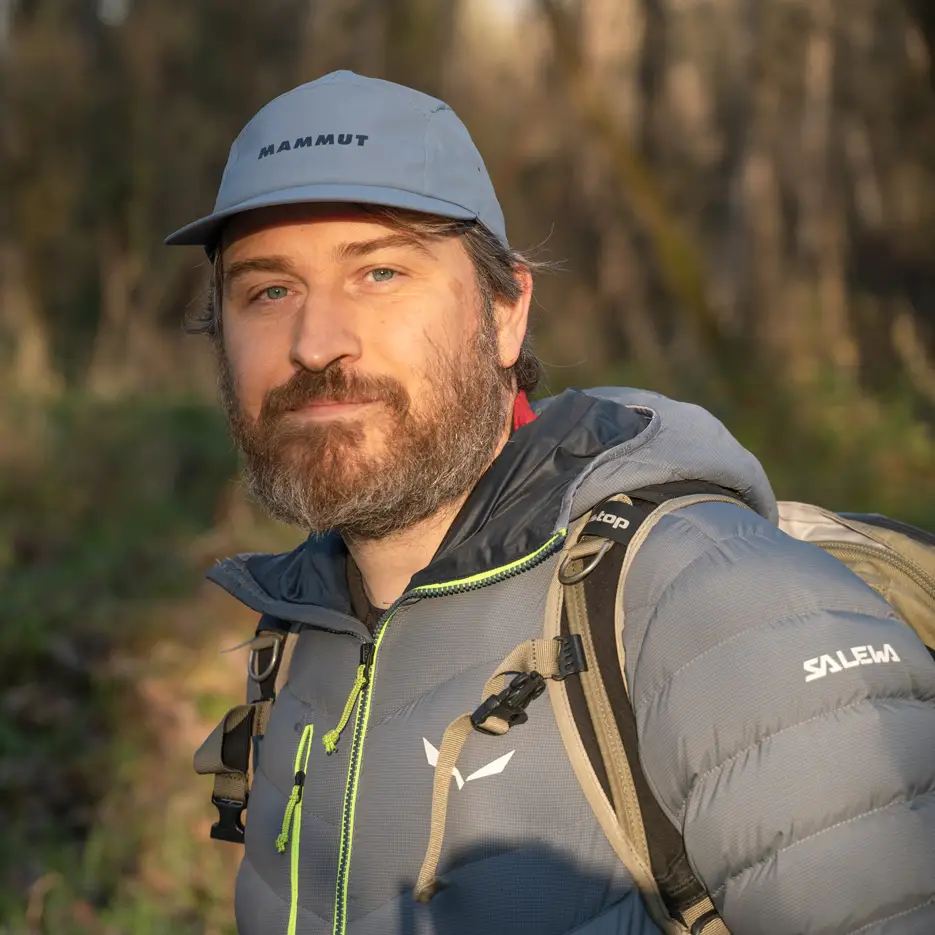
Federico Antonello is an Italian landscape photographer, certified hiking guide and tour leader whose work is deeply inspired by the Dolomites and a lifelong fascination with atmosphere, weather and changing light.
Rather than documenting locations, his photography explores the emotional side of landscapes — moments when fog, storms, soft light or fleeting conditions transform familiar places into something unique.
He is the founder of OutdoorPhotoDream, where he leads photography tours and immersive experiences across the Dolomites, Iceland, Norway and beyond.
Continue Exploring
Further guides, stories and photography insights from the field.
STAY INSPIRED
Photography Insights Delivered Occasionally
Receive occasional field notes, photography insights, free resources and updates about future tours.
No spam. Just thoughtful content from the field.
FREE RESOURCES
Free Guides & Downloads
A growing collection of photography guides,
destination insights and practical resources
created from years spent exploring landscapes worldwide.
Dolomites Photography Guide
Light, seasons, iconic locations and practical advice for photographers exploring the Dolomites throughout the year.
COMING SOON →
Aurora Photography Guide
Camera settings, forecasting tools,
composition tips and practical advice
for photographing the Northern Lights.
COMING SOON →
Milky Way Photography Guide
Planning, camera settings,
composition and workflow
for photographing the night sky.
COMING SOON →
Chasing Mood & Atmosphere
A practical guide to finding fog,
weather, light and atmospheric conditions
for landscape photography.


