

Field Notes / Destination Guides
Photographing the Dolomites in Autumn: Foliage, Golden Larches & the Best Light
Follow the golden larches, changing light and autumn reflections, with photo locations and practical advice for planning an October trip.
Explore the GuideIntroduction
Autumn is one of my favourite seasons in the Dolomites. I love the contrast between golden larches, cool limestone and the subtle atmosphere of mountain forests. Sometimes a small group of trees disappearing into the mist is more compelling to me than a spectacular panorama.
October also brings lower sunlight, the first frosts and a more manageable gap between dawn and dusk. In some years gold, cloud and fresh snow share the same frame. The timing varies between valleys and a familiar reflection may disappear as a seasonal pond shrinks.
Quick recommendation. Start with mid-to-late October as a planning window for golden larches. Give yourself time near Cortina or in the western Dolomites to follow the colour and the weather. Pick one higher viewpoint and one lower woodland or water option for each area. For the broader region, see the Dolomites photography locations guide.
Autumn Locations at a Glance
| Location | Start with | Check first |
|---|---|---|
| Lago Federa | Gold larches, water and shaded rock. | Trail, footing and daylight. |
| Alpe di Siusi | Isolated trees, huts and meadow contours. | Road access, parking and lifts. |
| Larieto & Mietres | Larch trunks and quiet forest details. | Trail conditions and wind. |
| Val di Funes | Farms, woodland and the Odle. | Public access and private fields. |
| Passo Giau | Ra Gusela, warm slopes and layers. | Road status, wind and ice. |
| Cinque Torri & Falzarego | Rock shapes above pockets of colour. | Lift and trail status. |
| Lago di Braies | Forest reflections and shoreline details. | Wind, crowds and access. |
| Val Gardena | Lit larches below layered peaks. | Light direction and lift dates. |
| Lower valleys | Mist, streams and mixed woods. | Water flow and safe footing. |
| Lago di Limides | A possible reflection when water is present. | Recent water conditions before committing. |
Explore the Guide
Foliage & Daylight
When the Larches Turn
Mid-to-late October is a useful starting point. Higher larches often turn earlier, while lower or sheltered stands can retain colour. Temperature, rainfall, drought and wind all change the sequence. After strong wind, check the next valley or a more sheltered stretch of forest.
I am increasingly cautious about planning a golden-larch trip for the first days of October. In some recent seasons the strongest colour I saw arrived towards the end of the month, or even in the first days of November at certain elevations. I use that experience to leave room in the itinerary and check the actual foliage each year.
- Early October. Look for patchwork colour at higher elevations, with green mixed into the gold. Services may still be running, depending on the area.
- Mid-October. Compare a few elevations and look for combinations of gold larches, cool rock and changing light.
- Late October. Sheltered stands may still hold colour. First snow and shorter days can change access before the best trees have finished turning.
- Early November. Work lower down if high stands have lost their needles. Mist, mixed woods and intimate landscapes can carry the day.
Use recent webcam views, local observations and the forecast within a few days of your trip. If joining a tour, look for some flexibility in elevation and subject. South Tyrol foliage guide · Autumn in Cortina.
| Factor | What autumn offers | Planning note |
|---|---|---|
| Colour | Warm larches against cool rock. | Timing varies by stand and elevation. |
| Light | A lower sun and longer shadows. | Valleys can lose direct light early. |
| Day length | Dawn and dusk are easier to combine. | Allow daylight for the return. |
| Weather | Fog, frost and snow contrast. | Reassess footing after a cold night. |
| Water | Reflections and warm–cool contrasts. | Small ponds may be dry. |
| Crowds | Quieter intervals at some locations. | Famous foliage spots can fill up. |
| Access | Some high viewpoints remain reachable. | Confirm road, lift and hut status. |
Plan for the Actual Light Window
Near Cortina, daylight on an open horizon falls from roughly 11¾ hours at the start of October to about 10¼ hours at the end. Italy returns to standard time on the last Sunday in October under the current rules. Check the date and local time zone in your planner. A ridge may shade the foreground long before the calculated sunset, while the high rock still holds light. Solar calculation method · EU seasonal clock changes · Photography planning apps.
| Time of day | Where to spend it |
|---|---|
| Before dawn | Set up at a viewpoint you have already scouted. |
| Early light | Watch the peaks, shaded forest and any valley mist. |
| Late morning | Look for side light or a lit patch of trees. |
| Early afternoon | Rest, review files or move within the same area. |
| Late afternoon | Try longer lenses and watch how the ridge casts shadow. |
| Dusk | Finish with alpenglow or blue hour and leave time to return. |
Cortina & the Passes
Lago Federa and Croda da Lago
Golden larches around the lake give Lago Federa depth even under a quiet sky. Calm mornings can open up a broad reflection. In a breeze, look for a sheltered group of trees with a longer lens, or use a medium focal length to leave cool water as space around the warm colour.
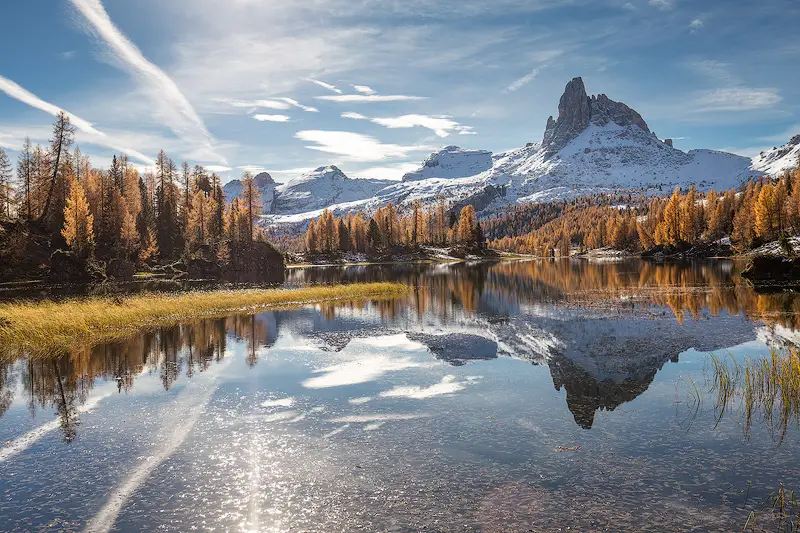
Look for shoreline layers, overlapping trunks or a vertical opening towards the rock. The lake requires a hike. Check footing, daylight and refuge opening before committing to an early or late session. Official Lago Federa information · Lago Federa hiking routes.
Larieto and Mietres
The larch woodland above Cortina is a strong option on a foggy day. The signed route from Rio Gere passes Larieto and continues through the forest towards Mietres. Try compressing repeated trunks with a long lens, then move along the path until bright gaps and overlapping branches settle into a clear pattern. The local Larieto–Mietres walk.
Passo Giau
Ra Gusela gives a broad frame a clear shape. Turn the lens away from the main roadside view for distant bands of gold, shaded gullies and isolated light on rock. Compare the direction of the light on each slope before deciding where to wait.
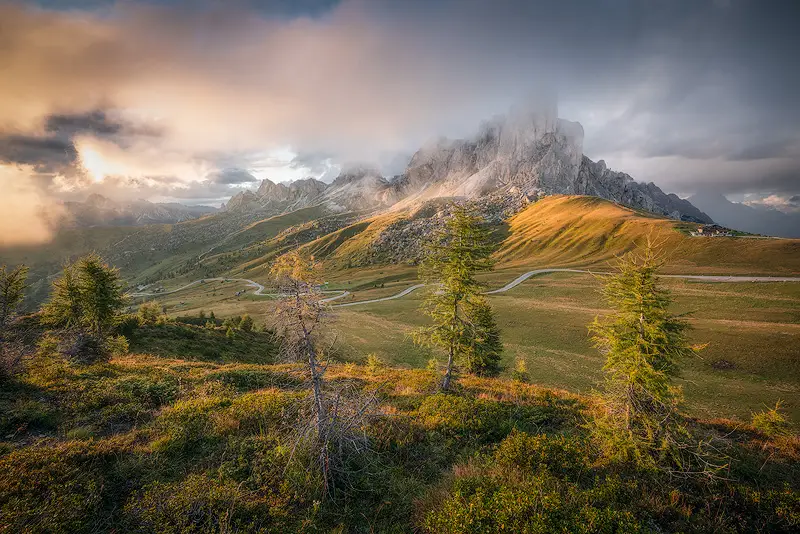
Freezing nights can change driving and walking conditions. Check the road before leaving and keep a lower alternative near Cortina. Veneto road updates · Dolomites mountain passes.
Cinque Torri and Falzarego
Start with the geometry of the towers and the relationship between dark rock, sky and warm larch foliage. A tighter view of trees beneath the Tofane can be stronger than a wide view with infrastructure at the edges. Verify both the lift and the walk for your date. Cortina travel guide.
Lago di Limides as a Conditional Stop
This small pond near Falzarego depends on rain and snowmelt. The local tourism source reports frequent drying towards late summer, so a shallow or dry basin is possible in October. Check recent water observations before setting aside dawn for a reflection. In dry conditions, look for rock forms or woods in the surrounding area from a suitable, open route. Cortina Delicious on Lake Limides.
Siusi, Funes & Gardena
Alpe di Siusi
The open plateau makes isolated larches, cabins and folds in the meadow easy to separate. Try a long lens on a group of trees or let the Sassolungo group sit at the edge of a simpler frame. Backlight can pick out yellow needles against shade, while moving fog can leave only a few trunks and roofs visible.
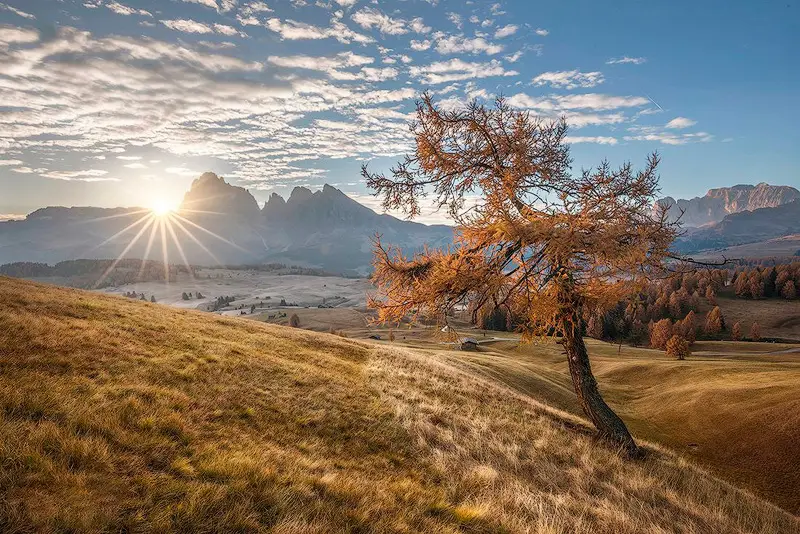
Check the road access period, the lift timetable and the last service before a golden-hour visit. Advance parking reservations for Compatsch and Spitzbühl are separate from the road restrictions. The rules and seasonal exceptions are listed on the official page. Seiser Alm access and reservations · Alpe di Siusi travel guide.
Val di Funes
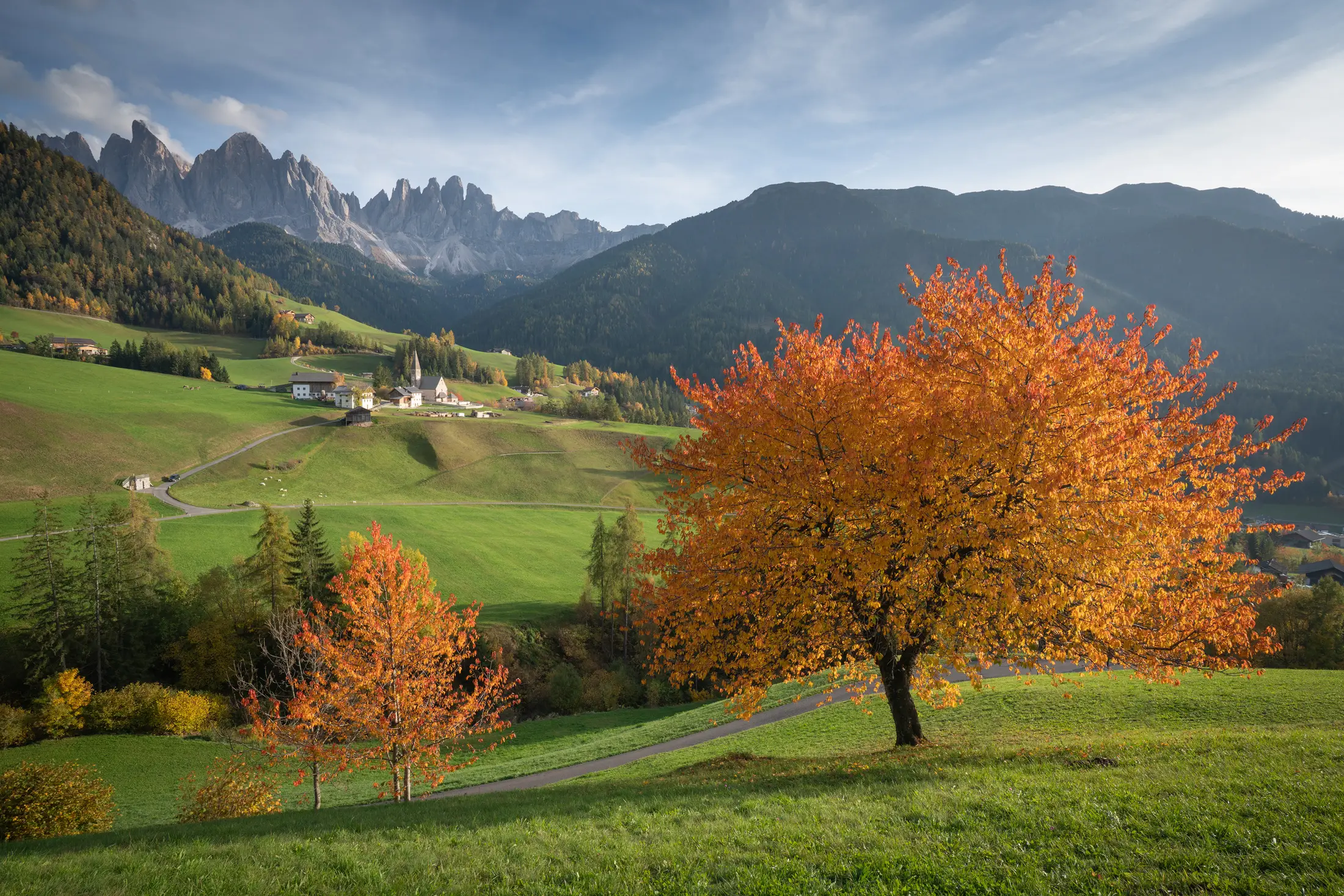
Look for farms and village edges set between dark woodland, gold trees and the pale Odle walls. A thin band of mist or passing light can bring those layers apart. Work from public viewpoints and stay out of private fields and grazing areas.
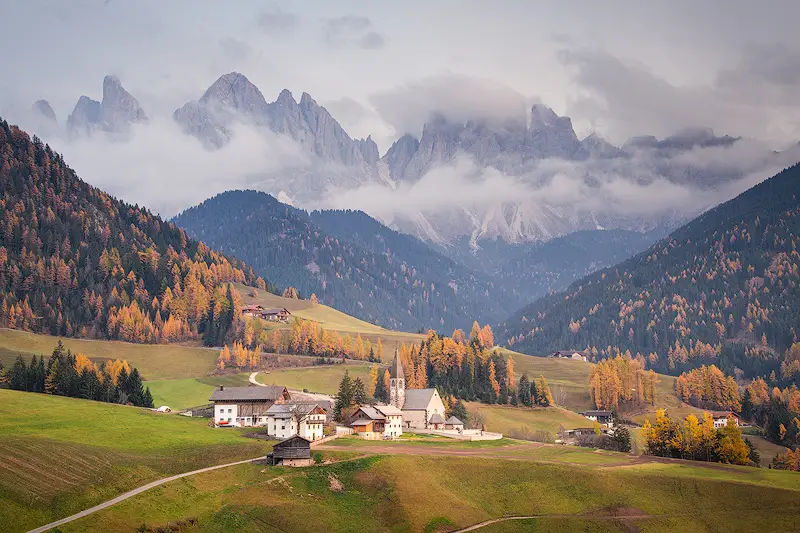
Val Gardena
Start with small patches of colour through darker conifers, a low cloud moving across a saddle, or one limestone wall catching warm light. Conditions on a shaded forest edge can be quite different from those on an exposed ridge. Plan lower options when lifts close or snow affects higher routes. Val Gardena lift timetable · Val Gardena travel guide.
Water & Woodland
Lago di Braies
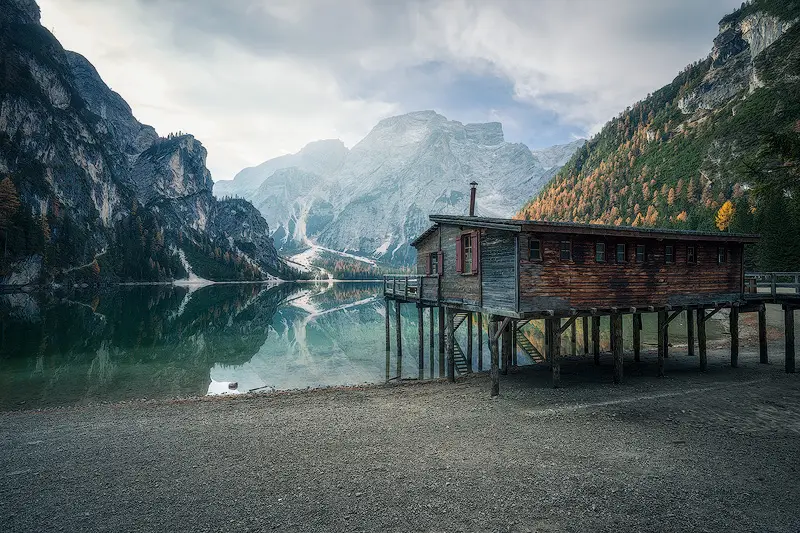
Lago di Braies is a substantial lake. Water level, wind and visitors still change the view on the day. Look past the familiar boathouse for a reflected strip of yellow woodland or a quiet section of shore. It is worth keeping a woodland alternative if the light or water is unhelpful. Lago di Braies transport and access.
Lower Valleys, Streams and Mixed Woods
When summits disappear, work with wet bark, warm leaves beside a shaded stream or branches emerging in layers of fog. Try a shorter exposure if moving leaves or the shape of a current are part of the subject. Turn the polariser gradually and keep some reflection if it helps show the water. Forest photography guide.
What Kind of Water to Plan Around
| Water | What to check |
|---|---|
| Lago di Braies and other large lakes | Wind, the level of the shore and local access. |
| Lago Federa | The approach, lake conditions and enough light to return. |
| Lago di Limides and small ponds | Recent water levels. Keep another subject in reserve. |
| Streams and waterfalls | Recent rain, flow, access and secure footing. |
Light & Composition
Follow the Light Through the Day
- Sunrise. Watch for warm peaks above a cool foreground. Calm water and valley mist are possibilities when the weather favours them.
- Late morning. Shadows can remain directional. Follow the places where sunlight first reaches a slope or a stand of trees.
- Overcast and fog. Diffuse light preserves subtle colour. Fog can separate trunks and simplify the background.
- Sunset and blue hour. Look for warm limestone above darker meadows. Leave time for a safe return before the path loses light.
- First snow. Try gold against fresh white from a suitable viewpoint. Reassess higher trails after snowfall or a freeze.
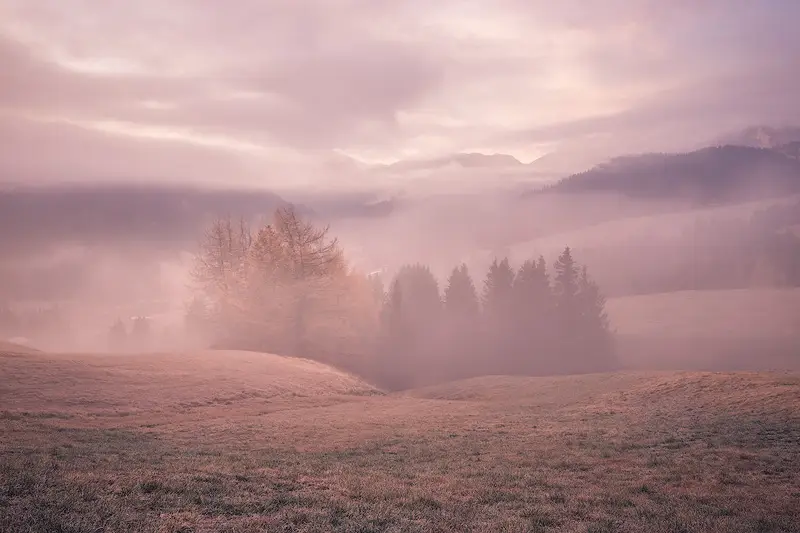
For me, one of autumn’s great freedoms is working beyond dawn and dusk. A break in the clouds can put one small stand of yellow larches in sunlight while the surrounding forest stays dark. That isolated subject can be more compelling than a wide sunset.
Make Colour Part of a Composition
Use a tree, a cabin, the rhythm of repeated trunks or a changing cloud as the main subject. Give golden foliage something cool or quiet to work against. For a wide view, keep the foreground simple. A vertical or square frame can leave out bright edges and keep attention on the subject. Landscape composition techniques.
With a lens reaching 400 mm, look for colour on a distant slope or one band of trees beneath shaded rock. For smaller scenes try frost, droplets on larch needles, bark or the transition from moss to fallen leaves. Change lenses when the scale of the subject changes.
Exposure & Editing
Lenses, Filters and Exposure
My usual landscape setup covers about 12–400 mm with a compact selection of zooms, plus a macro lens for close details. On wet foliage or water, try a polariser and turn it until the surface keeps the reflections you want. Use an ND or graduated filter when the light or exposure calls for it.
Watch the highlights on bright rock above a shaded forest. Preserve texture in the brightest areas and let the shadows keep some depth. Bracketing can help with a still scene. Moving branches and clouds make blended frames harder to align.
A Restrained Lightroom or Camera Raw Workflow
- Begin with a believable white balance and overall exposure.
- Protect highlight texture on illuminated rock.
- Use local contrast and luminance to guide attention towards the subject.
- Refine yellows and oranges gently. Cool greys and greens help the gold stand out.
- Keep the depth of mist by applying dehaze only where it helps.
- Check halos around ridges and trunks, then sharpen to preserve fine needles.
The warm foliage and cool rock already create a strong palette. This colour theory guide explains how those relationships can hold the image together.
Field & Trip Planning
Access and the Late-Autumn Transition
Check the forecast and route at your destination’s altitude. Early darkness, wet roots, ice and the first snow can change a familiar outing. Verify the road, lift, hut and return plan for your date. Keep a lower option for poor conditions. ARPAV Dolomites forecast · Winter photography and access.
The weeks between summer hiking and winter skiing can be quiet even in Cortina. Confirm your accommodation, evening meals and lift or bus service directly. If you will finish after sunset, plan food and the return in advance. Opening dates vary by operator, route and weather.
Carry a headlamp, weatherproof layers, food, water, a map you can use offline and footwear suited to the conditions. Set a turnaround time and respect private land, trail closures and protected areas. Dolomites hiking packing list.
An Adaptable Five-Day Itinerary
- Val di Funes. Look for village, forest and Odle layers or work lower down when the upper paths are icy. Val di Funes.
- Alpe di Siusi or Val Gardena. Work with huts, long shadows and isolated larches. Confirm the road or lift before deciding which location suits the light. Western Dolomites.
- Cortina woods and Passo Giau. Begin at Larieto–Mietres if cloud and fog suit the forest. Consider a suitable pass viewpoint later if the road and the weather allow. Cortina and the passes.
- Lago Federa or a valley alternative. Commit to the hike when the route, weather and daylight suit you. Try a stream or woodland scene on a lower day. Lago Federa.
- Cinque Torri or Falzarego. Photograph the rock shapes and small pockets of colour. Consider Limides when recent observations show enough water. Cinque Torri and Falzarego.
Use separate bases in the west and around Cortina if you have the time. Shorten the plan when the best light is near your accommodation. Confirm foliage before prioritising a valley, keep a second subject ready for cloud or wind and allow time to work a scene once you get there.
Frequently Asked Questions
When is the best time for autumn foliage photography in the Dolomites?
Mid-to-late October is a useful window for golden larches. Colour varies by year, height, weather and exposure. Check recent observations for the valley you plan to visit.
Does Lago di Limides have water in October?
It varies. The small rain- and meltwater-fed pond can be shallow or dry by October. Check recent conditions before counting on a reflection. Limides field notes.
Is Lago di Federa good for autumn photography?
Yes. Larches, cool water and the rock backdrop make it a strong subject in varied light. Check the conditions for the hike and plan the return before dark. Lago Federa.
What time is sunrise and sunset in October?
It depends on the day and location. Italy changes its clocks on the last Sunday in October under the current rules. A nearby ridge may block direct light before the published sunset.
Is autumn less exhausting than summer for photographers?
A shorter day can leave more rest between an evening and morning session. It also reduces the time for long approaches and returns. Build the schedule around actual daylight and a manageable route.
Which lens is best for foliage?
Try 100–400 mm for distant trees and rock layers, a standard zoom for a woodland scene and a macro for needles, droplets and frost.
Can I photograph autumn with no visible mountains?
Yes. Try separated trunks in fog, warm leaves above dark water or a close view of frosted needles. Diffuse light can make woodland more expressive.
What if snow arrives during my October trip?
Check weather and access again and assess the footing. A lower path or accessible viewpoint can still give you the contrast of gold trees against snowy rock.
Is Lago di Braies essential in autumn?
Choose Braies when the light, water and access suit the photograph you want to make. A larch forest or a slope with good side light can give you more to work with on a windy day.
Explore with OutdoorPhotoDream

Group Photography Tours
Dolomites Autumn Photography Tour
The listed departure runs 15–24 October 2027. Photograph the Dolomites in a small group with an itinerary shaped by the light and conditions.
Explore Photo Tour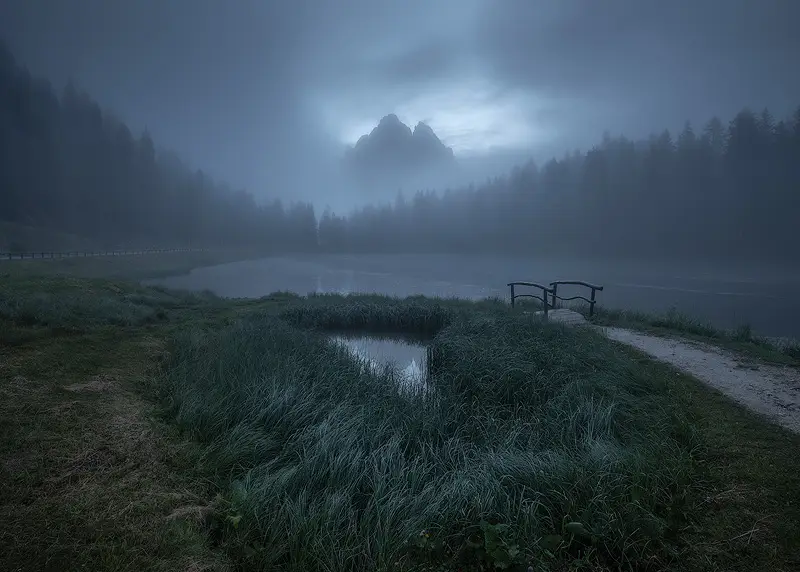
Private Tours
Private Dolomites Photography Tour
Plan a private Dolomites photography itinerary around your dates, interests and the conditions in the field.
Explore Private Tour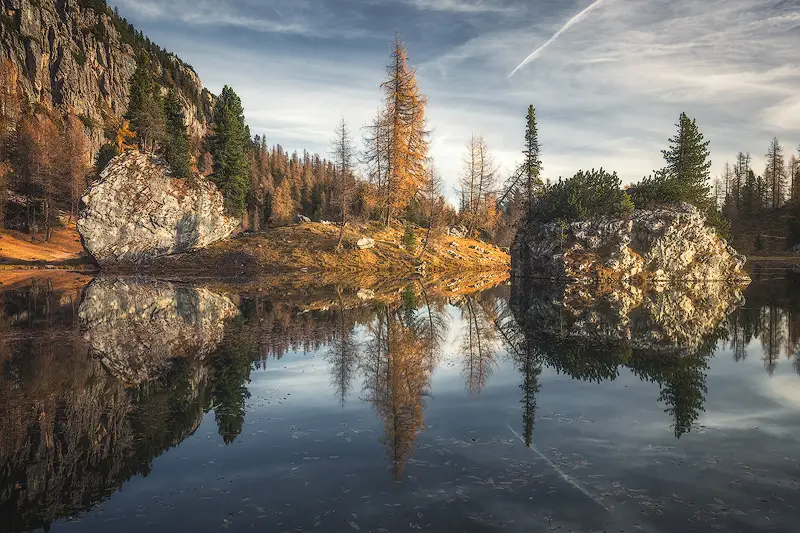
Private Guided Hike
Lago Federa & Croda da Lago
Ask about a private walk to Lago Federa when access and trail conditions suit the group, with time for optional photography.
Explore Experience
About the author
Federico Antonello
Related Field Notes
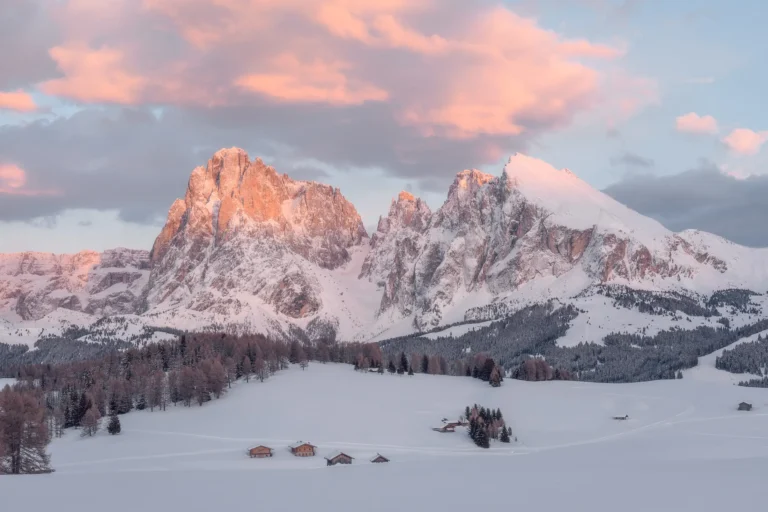
Photographing the Dolomites in Winter
Discover the Dolomites in winter, with seven areas to photograph, tips for exposing snow and practical advice on weather, access and equipment.
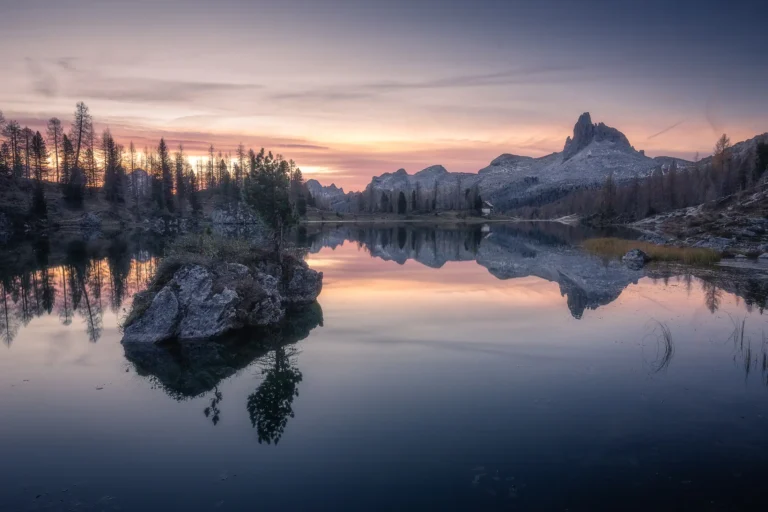
Lago Federa & Croda da Lago: Hiking Guide from Ru Curto
Plan a Lago Federa hike from Ru Curto: marked trails, Rifugio Palmieri, autumn larches, route alternatives and essential Cortina hiking advice.

Best Photography Locations in the Dolomites
Find 12 photography locations in the Dolomites, with trail advice, seasonal access, walking times and practical tips for working with the light.


