

Field Notes / Destination Guide
Cortina d’Ampezzo Travel Guide: Best Things to Do, Hiking, Lakes and Local Tips
Plan a stay in the eastern Dolomites, from the trails and wartime history of Cinque Torri to quiet lakes, seasonal transport and three days around Cortina.
Explore CortinaIntroduction
Cortina d’Ampezzo makes a natural base for exploring the eastern Dolomites. Within reach are the rock towers of Cinque Torri, the broad views of Passo Giau, the Tofane, forests of larch and spruce, and mountain lakes with very different characters. You can spend a day walking, a day exploring history, and another simply following the light across the valley.
This is a practical Cortina travel guide for first-time visitors, hikers and landscape photographers. It explains what to do, which lakes and mountains to choose, when to visit, where to stay, how to arrive, and how to build an enjoyable three-day itinerary. It also distinguishes places you can see easily from hikes that require experience, effort or specialised equipment.
Quick recommendation: For a first visit, spend three to five nights in Cortina or a nearby Cadore village. In summer, combine a high-pass viewpoint, a suitably graded hike and a quieter forest/lake day. In autumn, give more time to the woodlands and Lago Federa area. In winter, plan specifically for winter activities: summer hiking routes can be snow-covered, closed or hazardous.
Cortina at a Glance
- Where. Ampezzo Valley, in the Province of Belluno, Veneto.
- How long. Three nights for a first visit. Five to seven give you time to choose around the weather.
- Hiking season. Often late June through September, depending on elevation, snow and the route.
- Autumn colour. Often October. Timing varies by elevation and weather.
- Without a car. Choose a central base and confirm your outbound and last return buses before choosing a trailhead.
- A first trip. Pair Cinque Torri with one lake day and one high pass. Leave room to change the order.
Explore Cortina
Things to Do
Why Visit Cortina d’Ampezzo?
The centre of town has cafés, shops, accommodation and an active visitor scene. Along Corso Italia, the pedestrian heart of Cortina, you can take a gentle evening stroll after a day on the trails. But it would be a mistake to judge the destination from its boutiques alone. The surrounding Ampezzo landscape has quiet woodland paths, traditional rural spaces, WWI heritage and a remarkable range of terrain.
The town changes character with the season. In the busy summer and winter periods, Cortina has a lively visitor atmosphere. In the quieter autumn shoulder season and again in early spring, however, some hotels, restaurants, cafés and other tourism businesses may close temporarily between their main operating periods. This can make the centre feel surprisingly quiet. Travellers visiting for hiking or autumn colour should check accommodation and dining availability in advance rather than assume everything open in August will also be open in late October or April.
A little context: Cortina hosted the 1956 Winter Olympics and was also among the destinations of the Milano Cortina 2026 Winter Games. The area’s military heritage is especially associated with World War I, when the high mountains became a front line. Today, marked historical routes and open-air museums help explain that period. Official Cortina WWI heritage information.
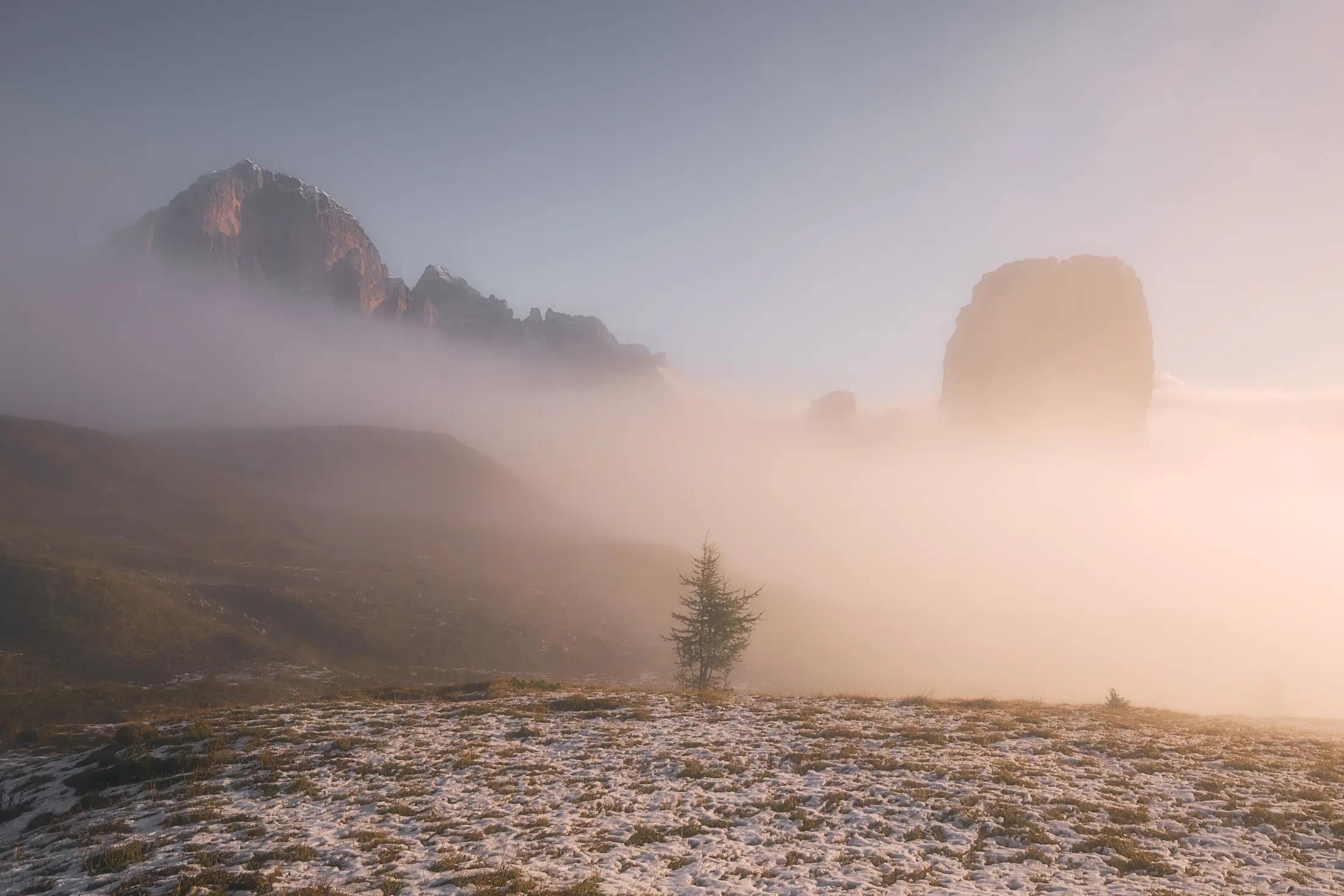
1. Explore Cinque Torri and the open-air WWI museum

Best for: Dramatic rock formations, history, panoramic walking and photography.
Cinque Torri is one of Cortina’s most distinctive mountain landscapes. Five prominent rock towers stand above grassy slopes, with marked paths and a historical outdoor museum area telling the story of the WWI front. Nearby Rifugio Scoiattoli and other facilities can make the area feel accessible, but the exact walking effort depends on your chosen starting point, open lifts and route.
For a relaxed visit, choose a marked circuit suited to the group and allow time to observe the towers from multiple angles. You do not have to scramble on rocks or attempt a via ferrata to appreciate this landscape. Check the lifts and seasonal bus stops before leaving town. Official Cortina information on Cinque Torri history.
Photographer’s perspective: The towers work well as subjects, but so do the textures of their weathered faces, grasses and the changing relationship between sunlit rock and cloud shadow.
2. Experience the scenery of Passo Giau
Best for: Wide mountain views, accessible roadside scenery and selected meadow walks.
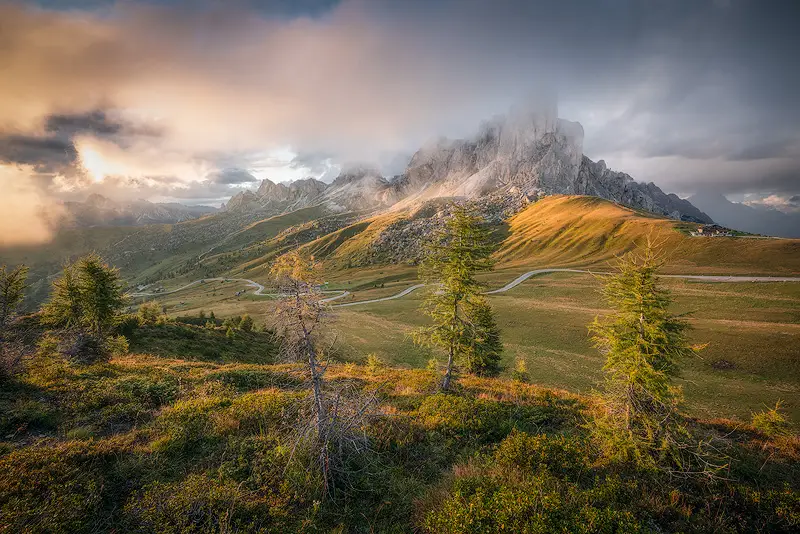
Passo Giau is a landscape that feels expansive even before you begin a hike. Ra Gusela dominates the skyline, while surrounding meadows and ridges provide different viewpoints. It can be a beautiful stop for visitors who want big mountain scenery without committing to a full-day trek.
There are also longer routes from the pass, but they should not be treated as automatically easy. Choose a specific marked trail by its CAI grade, conditions and ascent. Check the seasonal bus timetable for the pass if you are travelling without a car.
Photographer’s perspective: Low cloud and softer light can produce more nuanced mountain photographs than midday sunshine. Be prepared for high-pass wind even on warm days in town.
3. Discover Lagazuoi and Passo Falzarego
Best for: High mountain views, historical interpretation and experienced hiking options.
Passo Falzarego is an important gateway to the Lagazuoi area. A cable car, when operating, makes the upper viewpoints accessible without the full ascent on foot, although mountain conditions remain important even near the station.
The Lagazuoi tunnels and historical routes preserve a striking record of WWI. Do not confuse them with an ordinary village walk: tunnels may require appropriate lighting, secure footing, specific equipment and a realistic assessment of the full route. Some routes are demanding or equipped.
For a less technical visit, enjoy a suitable panoramic option and explore the history at your own pace. Check operating dates and lift status before travelling.
4. See the Tofane and ride a panoramic lift
Best for: Appreciating the scale of Cortina’s mountains, with options beyond strenuous hiking.
The Tofane rise above Cortina in some of the region’s most imposing limestone walls. A lift-assisted visit can provide remarkable views, but the highest terrain is not a casual walking destination. The Tofana di Mezzo area includes technical routes suitable for experienced mountaineers or via ferrata users with proper skills and equipment.
The practical approach is to choose a lift viewpoint or a signed walk at an appropriate elevation and leave the high technical objectives to qualified, well-prepared parties. Official Tofane information.
5. Take a slower day around the lakes and forests
Best for: Travellers who do not want every day to revolve around a summit.
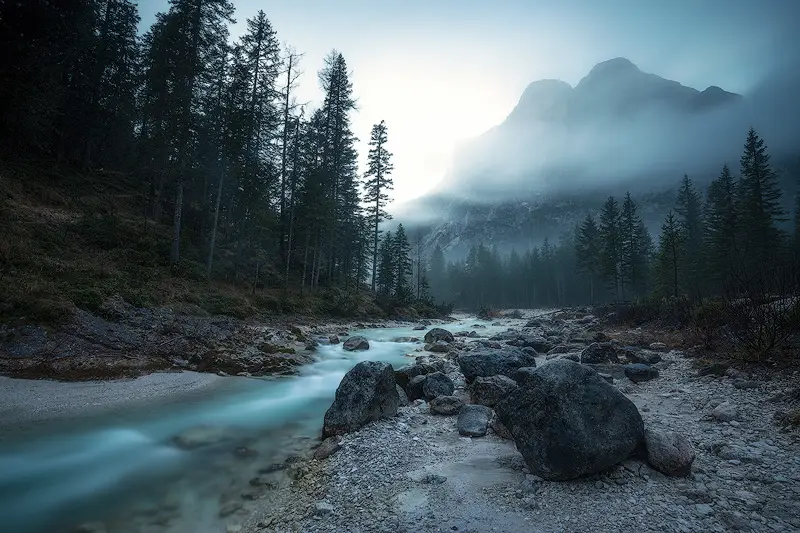
The quieter side of Cortina deserves a place in your itinerary. Lakes such as Ghedina and Pianozes, together with lower woodland paths and scenic valley walks, offer a different experience from the famous turquoise lake hikes. Access, trail conditions and facilities vary. Check locally before planning a loop.
These are especially appealing when upper mountain weather is poor or you would rather spend time with family, enjoy lunch and take photographs without a rigid summit objective. Official Cortina relaxation and nature ideas.
6. Spend time in the town itself
Best for: Food, shopping, local atmosphere and recovery days.
Walk Corso Italia, look at the surrounding architecture, stop for coffee and explore the town between excursions. Cortina is not only an outdoor base. It has its own year-round identity. The exact calendar of events, exhibitions and restaurants changes, so use the official destination listings rather than relying on a fixed list of venues from an old article.
If you have just completed a demanding hike, an unhurried afternoon in town may be more enjoyable than racing toward one more viewpoint.
Off-season tip: Cortina may feel like a very different town between peak summer/winter and the quieter weeks of autumn or early spring. Fewer visitors can be pleasant, but a reduced choice of open hotels and restaurants requires more advance planning. Opening and closing periods vary by business and year.
Lakes
The lakes are not interchangeable. Some are close to roads or villages. Others are genuine mountain objectives that require substantial effort and appropriate experience.
| Lake | Access | What to look for |
|---|---|---|
| Lago di Misurina | Road-accessible, seasonal bus options | Open views toward surrounding peaks |
| Lago di Federa | A proper hike from a chosen trailhead | Forest, Croda da Lago setting, autumn larches |
| Lago di Sorapis | Common approach has exposed and equipped sections | Distinctive turquoise water beneath rock walls |
| Lago di Ghedina | Check local walking access | More intimate woodland setting |
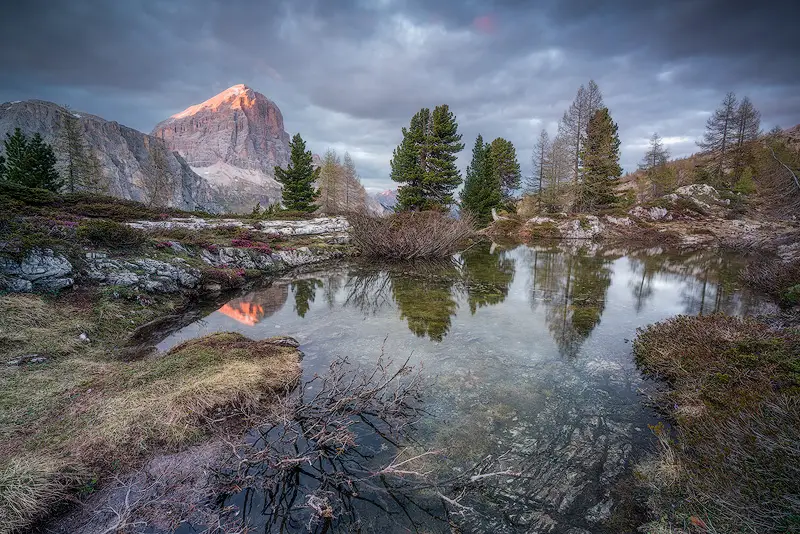
| Lago di Limides / Lìmedes | Shorter hikes possible from Falzarego-side access, conditions permitting | Small lake below major rock formations |
| Lago di Braies | Not in Cortina. Plan a separate outing and seasonal access rules | An iconic lake elsewhere in the Dolomites |
Lago di Federa: a hiking destination, not a roadside lake
One of the most rewarding places near Cortina is Lago di Federa, beside Rifugio Croda da Lago/Palmieri. Routes commonly begin at locations including Ru Curto or Passo Giau, but their profiles differ and some include significant ascent. The Belluno tourism authority also describes alternative approaches. Select the actual route before departing. Official Lago Federa description.
In autumn, larches and the surrounding cliffs provide wonderful photographic opportunities. However, autumn mornings can also bring frozen ground, early snow or closed seasonal facilities. Treat it as a mountain outing even if you have seen idyllic pictures online.

Lago di Sorapis: beautiful, but not for everyone
Sorapis is among the most photographed lakes of the eastern Dolomites. Its pale turquoise colour can be extraordinary, but the popular approach from Passo Tre Croci via trail 215 includes exposed sections and equipped passages. It is not appropriate to describe it as an easy family stroll or recommend it without considering vertigo, sure-footedness and trail conditions.
If a visitor is uncomfortable on narrow exposed paths, there are many other lakes and mountain views to enjoy instead. Official Lago Sorapis destination information.

Lago di Misurina: a scenic stop with wider possibilities
Misurina is more approachable as a lake visit and makes a good stop on a day focused on the surrounding region. The lake can provide beautiful reflections of nearby mountains on calm days. It is not the same place as the Tre Cime Rifugio Auronzo trailhead. Reaching the latter involves a separate road or shuttle connection when operating. Official Lago di Misurina information.
Hiking
Rather than ranking every hike by social-media popularity, start with the experience you actually want. These are areas, not complete GPS itineraries. An exact route requires its own distance, elevation gain, CAI grade, conditions and return logistics.
| Area | Best suited to | What to check |
|---|---|---|
| Cinque Torri | Scenic walks, geology, WWI history | Lift availability and selected trail |
| Passo Giau | Meadow routes or longer traverses | CAI grade and transport return |
| Croda da Lago / Federa | Moderate-to-demanding full hikes, depending on approach | Total ascent and descent, early-season snow |
| Lagazuoi / Falzarego | Lift-assisted views or technically demanding historical routes | Equipment, exposure, lifts and weather |
| Tre Cime area | Iconic mountain scenery and marked variants | Shuttle booking and route-specific difficulty |
| Passo Tre Croci / Sorapis | Experienced hikers comfortable with exposed sections | Route 215 condition and safe turnaround |
| Val di Fanes / nature-park areas | Forests, valleys and selected mountain routes | Official trail access and chosen length |
How difficult are the trails?
In Italy, the CAI hiking classifications help distinguish straightforward paths from more demanding mountain terrain:
- T: Relatively straightforward tourist walking routes.
- E: Hiking routes requiring suitable mountain fitness, footwear and attention.
- EE: Routes for experienced hikers, potentially steep, unstable or exposed.
- EEA: Equipped hiking routes requiring additional technical equipment and competence.
Exact descriptions are defined by CAI. The classification applies to a specific route, not an entire destination. Ice, snow and weather can make a route substantially more serious. Official CAI definitions.
For a privately guided outing, see Cinque Torri & Nuvolau, Passo Giau & Mondeval or Lago Federa & Croda da Lago. The route depends on conditions and the group’s experience.
Seasons
Summer: the broadest choice of hiking and lifts
Summer is the main season for hiking, mountain huts, climbing and high passes, typically from late June through September for many routes. August can be busy. Even in July, shaded high trails can retain snow, and afternoon thunderstorms can change the day quickly. The smartest plans have an early start, a realistic descent and a lower-elevation alternative.
Summer also brings seasonal buses and mountain lifts, but operating periods and tickets vary. Check the actual year’s schedules rather than assuming an article written the previous season is current.
Autumn: colour and quieter landscapes
For a landscape photographer, autumn around Cortina is particularly interesting. Larch forests can turn golden, lower sunlight emphasises mountain texture and quieter paths invite a slower approach. The Lago Federa area and woodland around the Ampezzo valley are worth considering.
But autumn is not a guaranteed extension of summer hiking. September or October snowfalls can affect passes, lift services may close, and many huts operate only for part of the season. Choose routes with a safe retreat and check opening dates.
The valley’s tourism services also enter a quieter period. Some accommodations, restaurants and cafés close for part of the shoulder season, so verify where you can stay and eat before finalising a late-autumn itinerary.
Winter: a completely different mountain experience
Cortina is internationally known for skiing and winter sports, with areas around the Tofane, Faloria–Cristallo, Cinque Torri and Lagazuoi. Beyond skiing, some visitors enjoy winter walks and other guided activities, but summer hiking directions should never be reused as winter route advice. Avalanche exposure, icy slopes and closed routes require winter-specific knowledge. Official Cortina skiing information.
Spring: beautiful in the valley, still winter higher up
Spring can be pleasant for lower walks and views from town. At altitude, however, snow and closed lifts or huts can limit ordinary hiking. A visit in April or May should be planned around the conditions of that particular year, not around photos of summer trails.
Early spring can also fall between Cortina’s winter and summer tourism seasons. The choice of open accommodation and dining options may be more limited than during peak periods. Confirm directly rather than relying on year-round assumptions.
For ideas specific to snowy conditions and winter access, see Photographing the Dolomites in Winter.
Stay & Transport
Where to Stay in Cortina and Cadore
The best base depends on whether you want to walk to restaurants at night, reduce accommodation costs or prioritise access to a particular section of the mountains.
| Base | Why choose it | Trade-off |
|---|---|---|
| Central Cortina | Restaurants, shopping, bus station and town atmosphere | Compare prices and availability for your dates |
| Acquabona / outer Cortina areas | A quieter setting while remaining near town | Check the exact bus/walk/parking situation |
| San Vito di Cadore | Village alternative south of Cortina, with Pelmo views | Requires road transport for many Cortina trailheads |
| Borca di Cadore | More relaxed valley accommodation options | More driving/bus time for high-pass hikes |
| Vodo di Cadore | Small Cadore base with a local feel | Less convenient without a vehicle |
| Misurina area | Useful if your priority is nearby scenery and the Tre Cime region | Different services and access; not Cortina town |
How to choose: If this is your first car-free trip, prioritise accommodation near the Cortina bus station or a stop with confirmed service. If you have a car and prefer quieter evenings, San Vito, Borca and Vodo may be worth comparing. Look at the exact journey to your hikes, not just the price difference per night.
How to Get to Cortina
From Venice Marco Polo Airport or Venezia Mestre
Venice is a common gateway to Cortina. Check ATVO and Cortina Express for coaches from the Venice area and your exact travel dates. A rail option is to travel toward Calalzo di Cadore and continue by regional bus, subject to the current timetable. There is no passenger train directly into Cortina. Cortina official arrival information.
From Innsbruck, Munich or the South Tyrol rail network
The northern railway route can be useful for travellers already in Tyrol or South Tyrol. Dobbiaco/Toblach is an important rail connection on the eastern Val Pusteria corridor, but Cortina still requires onward road transport. Compare available bus connections and transfer times before booking. A superficially shorter map route is not always the fastest public-transport itinerary.
By car
A car provides flexibility for early or late departures and links between valleys. It does not eliminate seasonal road restrictions, traffic, parking limits or weather closures. In busy summer periods, some famous access roads and parking facilities require specific booking or management systems. Always check before departing.
Getting Around Without a Car
A car-free stay is possible—provided the itinerary is built around the transport network. Cortina has urban/regional buses and seasonal services to high passes.
In summer 2026, Dolomiti Bus published seasonal links to Passo Tre Croci and Misurina, Passo Falzarego and Passo Giau. Check current Dolomiti Bus timetables for your dates.
The dedicated access to Rifugio Auronzo and Tre Cime has its own access and booking arrangements. Check which stop your service reaches before you book.
The practical issue is the return journey. The last bus from a mountain pass may depart well before sunset or the time you finish a long hike. If photography at dawn or dusk is central to your trip, a suitable hut stay, a trail walkable from your accommodation or a private arrangement may be more realistic.
Three-Day Itinerary
Do not use the following as a rigid weather-independent timetable. Each day has a clear purpose and an easier alternative, so you can respond to the conditions without losing the entire holiday.
Day 1 — Cortina, Cinque Torri and an introduction to the mountains
Morning: Arrive or enjoy a slow breakfast in Cortina, check the current mountain weather and lift/transport notices. If you have the full day, travel to Cinque Torri and choose an appropriate marked walking route.
Afternoon: Spend time among the towers, investigate the WWI open-air history and have lunch or a break near a refuge if it is open. Avoid rushing into a technical route simply because a nearby trail looks short on the map.
Evening: Return to Cortina and walk through the town centre.
Rain alternative: Make the town itself the focus, with local cultural stops and a lower-level scenic walk if conditions allow.
Day 2 — Choose your lake day
For experienced hikers comfortable with a fuller day: Choose a suitable Lago Federa route from a confirmed trailhead. Check the elevation gain, CAI grade, total duration and transport/parking. Pack a proper lunch and rain layers.
For a relaxed scenic day: Go toward Misurina when transport operates, or explore lower lakes and woodland around Cortina. This version leaves more time for photography and food without a strenuous ascent.
Important: Do not substitute Sorapis automatically for an easier lake walk. Its popular approach involves exposure and equipped sections and calls for a separate fitness and conditions assessment.
Day 3 — Passo Giau or Falzarego, depending on the weather
Option A, Passo Giau: Enjoy wide views and a marked walk appropriate to the day. Great for a slower photographic outing if the sky has texture and moving clouds.
Option B, Passo Falzarego / Lagazuoi: Choose lift-assisted viewpoints or a suitable historical walk, taking care not to drift onto technical or equipped terrain without the required preparation.
No-car visitors: Select the option supported by the actual return bus on that date. Car visitors: Avoid letting the flexibility of driving turn the day into a frantic sequence of passes.
Three-day takeaway: You have already experienced rock towers, a lake/forest landscape, a mountain pass and Cortina itself. That is a more coherent first visit than an exhausted checklist of six famous destinations.
If You Have Five to Seven Days
Add days by theme, not by trying to cover every Dolomite valley:
- One day for Tre Cime: Access from the applicable road/shuttle and choose a route matching your experience.
- One day for the Tofane: Lift viewpoints or an appropriately graded walk.
- One flexible weather day: Forests, small lakes, town, or a rest day.
- One photography-focused day: Return to a location in different conditions rather than constantly adding new ones.
If your main objective is Seceda or Alpe di Siusi, consider staying in Val Gardena for part of the holiday instead of repeatedly driving across the Dolomites from Cortina.
Photography Notes
The famous locations are famous for a reason. But photography becomes more personal when you stop asking only which mountain should I photograph? and start considering what kind of light, weather, texture and atmosphere am I looking for?
Best subjects for different conditions
| Conditions | Consider photographing | Why |
|---|---|---|
| Soft cloud and mist | Forests around Cortina, larch trunks, intimate landscapes | Gentler contrast and a stronger sense of depth |
| Broken cloud / moving light | Passo Giau, Cinque Torri, Tofane faces | Patches of light reveal rock structure |
| Calm wind | Misurina or suitable small lakes | Mountain reflections become possible |
| Autumn colour | Lago Federa area, woods and larch slopes | Warm foliage against cool limestone |
| Clear sunset, safe access | Road-accessible viewpoints and appropriate low-risk routes | Avoid depending on a long exposed descent after dark |
A small but important distinction
An excellent sunrise location is not necessarily an excellent sunrise hike. Many gondolas and buses begin operating after first light, and some high trails are a poor choice in darkness. Plan the safe return before choosing a viewpoint. Huts can be useful for photography, but accommodation must be booked and the route to them still needs to be suitable.
Photograph beyond the postcard
Cortina’s forests are particularly rewarding for compositions that do not announce an obvious tourist landmark. Look at overlapping tree trunks, larches catching diffuse light, mountain shapes partly hidden by fog and small changes in colour after rain. For working with fog and low contrast, see Forest Photography: Finding Mood and Atmosphere Among Trees.
Food and Mountain Huts
Part of travelling in the Dolomites is taking time for food and mountain hospitality. In Cortina and the surrounding valleys, menus reflect a mixture of alpine traditions and regional Italian influences. You may encounter local dumplings and filled pasta, polenta, soups and hearty mountain dishes, although menus change by venue and season.
Mountain huts (rifugi) range from straightforward lunch stops to places offering overnight accommodation. Some are reached by lifts or short walks. Others are genuinely remote. Check opening dates directly with each refuge, especially in June, September and October. Never assume a hut is open merely because it appears on a map.
For refuge access and ideas for a hut stay, see Best Mountain Huts in the Dolomites.
Before You Book
- Book the right base. Central Cortina helps if you want restaurants and buses within reach. Cadore alternatives may save money but increase transfer time.
- Plan trailheads, not only destinations. Lago Federa and Lago Sorapis are not equivalent roadside lake stops.
- Check seasonal services. Bus routes, mountain lifts, shuttles and mountain huts have different operating periods.
- Allow for weather. Build at least one flexible day into a longer stay.
- Use official route grades. If unfamiliar with CAI T/E/EE/EEA, learn the distinctions before choosing hikes.
- Respect private land and nature. Stay on appropriate trails and do not enter farm meadows or unstable ground for a photograph.
- Make reservations where required. Tre Cime and other popular destinations may have separate systems for shuttle access, parking or special transport.
- Avoid unsound sunrise plans. Photographing first light is not worth an unsafe or illegal access choice.
Cortina Travel FAQ
Is Cortina d’Ampezzo worth visiting if you don’t ski?
Absolutely. The area offers lakes, walks, panoramic lifts when operating, historical sites, restaurants and varied mountain scenery. Summer and autumn are particularly rewarding for people interested in hiking and photography.
How many days do you need in Cortina?
Three nights offer a strong introduction, while five to seven days allow more varied hikes, quieter locations and some flexibility for bad weather. With only one day, focus on one mountain area and the town.
What is the best month to visit Cortina?
It depends on your goal. Many summer hikers choose July–September, though high trails may be snowy early in the season. October can be beautiful for autumn colour but has shorter days and reduced services. Winter is a separate snow-sport season.
Can I visit Cortina without a car?
Yes. There are coach connections to the Venice area, road transfers from railway stations and local/seasonal buses. High-pass and Tre Cime access require extra schedule and reservation planning. Cortina has no passenger railway station in the town itself.
Are Tre Cime di Lavaredo in Cortina?
Tre Cime are part of the wider eastern-Dolomites travel region, and a popular day trip for people staying in Cortina, but they are not in the pedestrian centre or immediately beside Cortina town. Access to Rifugio Auronzo has its own transport/road arrangements.
Is Lago di Sorapis an easy hike?
Not by default. The common trail from Passo Tre Croci includes exposed and equipped sections and should be assessed for the hiker’s skills, comfort with heights and current route conditions. Consider other lakes if you want a straightforward outing.
Which is better as a base, Cortina or Val Gardena?
Choose Cortina for the eastern Dolomites—Tofane, Giau, Cinque Torri, Sorapis and nearby regions. Choose Val Gardena if your priorities are Seceda, Alpe di Siusi, Sassolungo and convenient lift-assisted hiking from Ortisei or Selva. Neither is automatically better for every trip.
Where should I stay near Cortina to save money?
Compare San Vito di Cadore, Borca di Cadore and Vodo di Cadore. Accommodation pricing varies considerably with dates and events, so the best deal depends on how much extra time and transport cost you accept.
Do I need a guide for hiking in Cortina?
Not for every route. Confident hikers can enjoy many marked paths independently with the correct preparation. A local guided hiking experience can be useful for unfamiliar terrain, itinerary planning and a slower, more personal introduction to the landscape. Technical climbs and via ferratas require route-specific competency and possibly appropriately qualified specialist guidance.
Explore with OutdoorPhotoDream
Guided Experiences
Private Hikes in the Dolomites
Choose a private guided hike around Cinque Torri, Passo Giau or Lago Federa, with routes shaped around your pace and the conditions.
Explore Experiences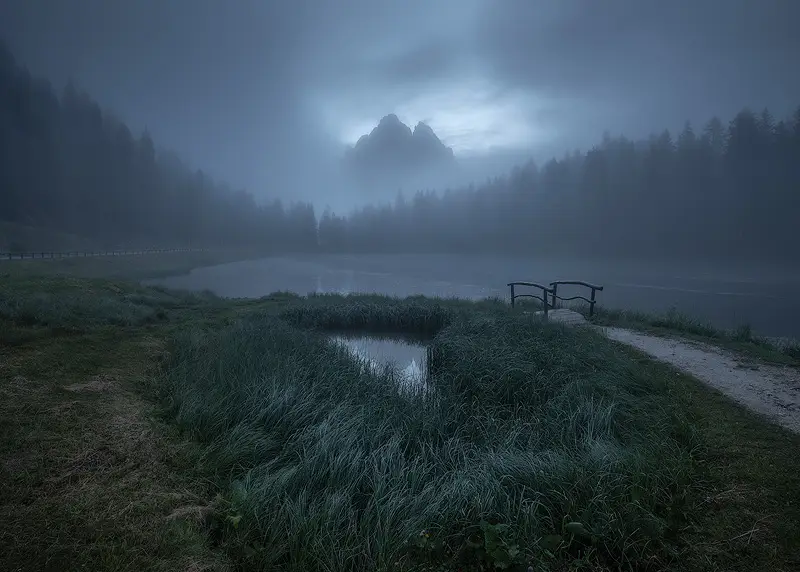
Private Tours
Private Dolomites Photography Tour
Plan a private Dolomites photography tour around your dates, interests and the light.
Explore Private Tour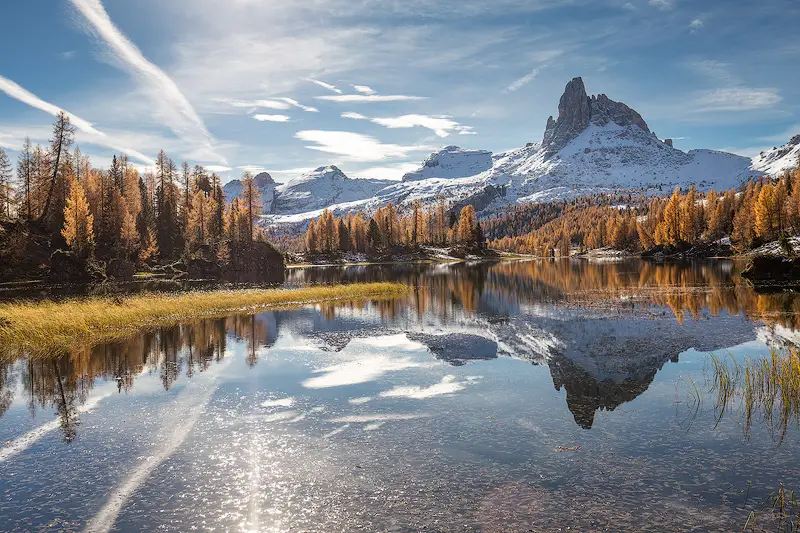
Group Photography Tours
Dolomites Autumn Photography Tour
Photograph autumn colour and the changing light with a small group in the Dolomites.
Explore Photo Tour
About the author
Federico Antonello
Related Field Notes
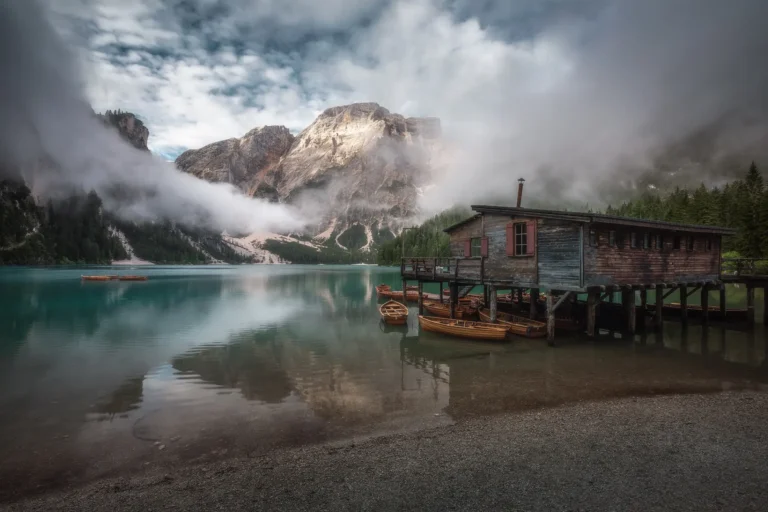
My Favourite Mountain Huts in the Dolomites for Sunrise, Sunset and Photography
Discover some of the best mountain huts in the Dolomites for sunrise, sunset and landscape photography. From iconic locations to hidden gems, these are my personal favourites.
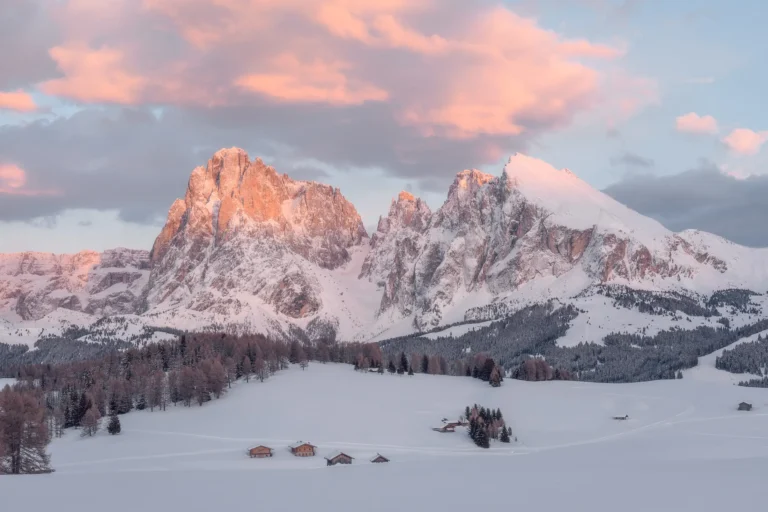
Photographing the Dolomites in Winter
Discover the Dolomites in winter, with seven areas to photograph, tips for exposing snow and practical advice on weather, access and equipment.
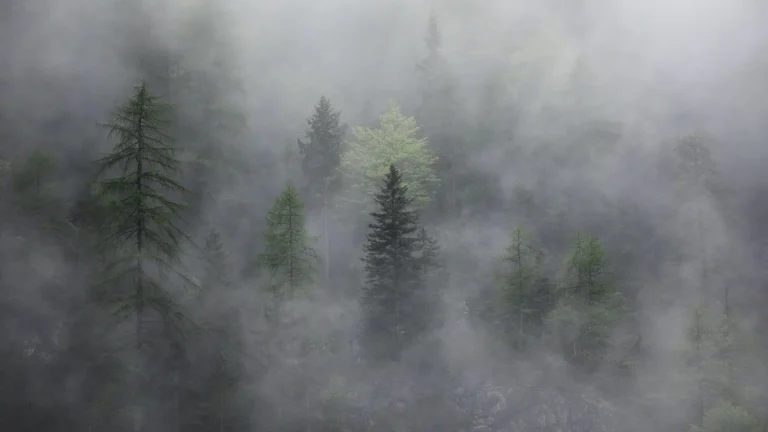
Forest Photography: Finding Mood and Atmosphere Among Trees
Discover how to create mood, depth and atmosphere in forest photography. Learn to work with light, weather and composition to capture the magic of woodland landscapes.


