

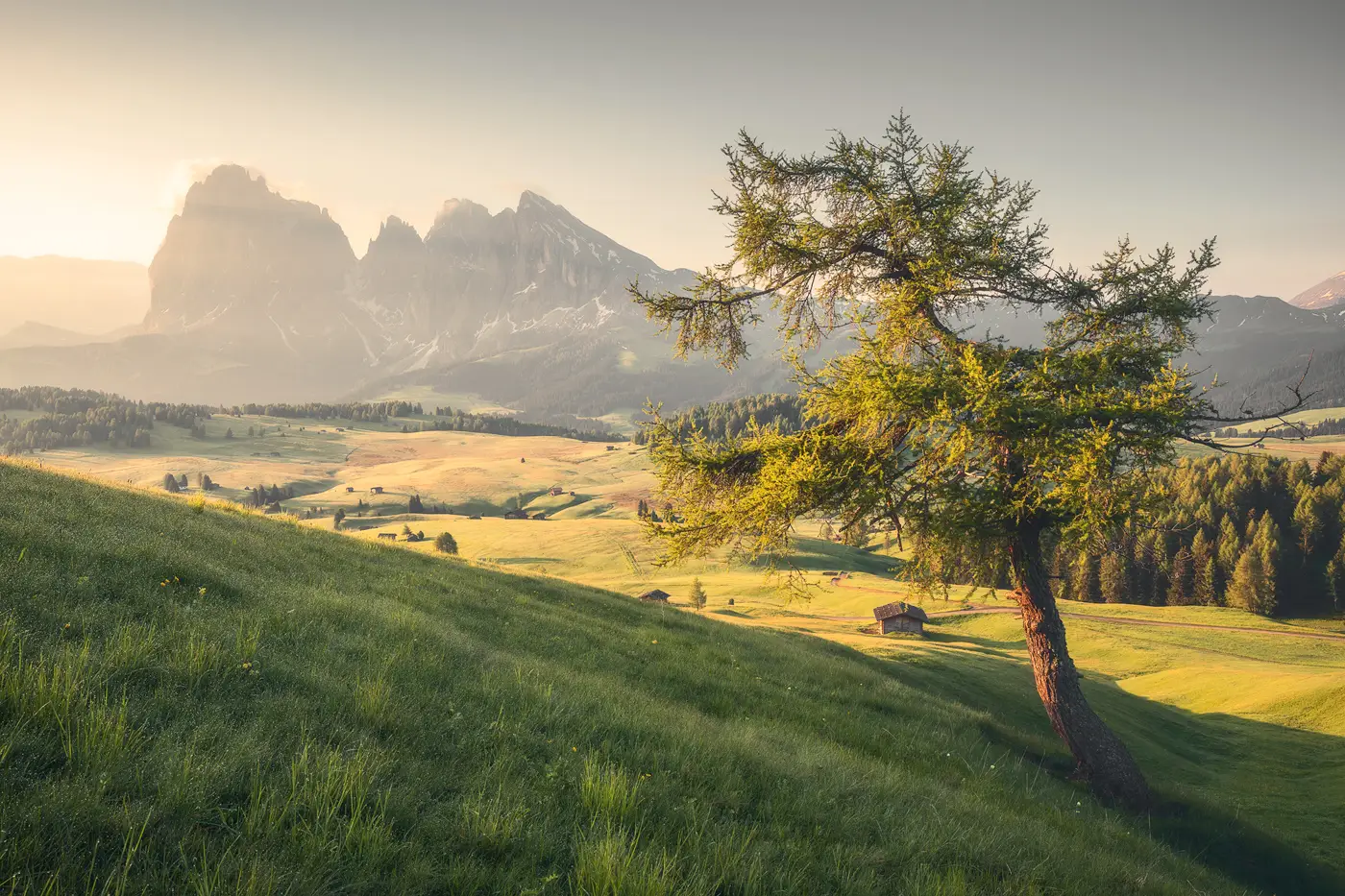
Field Notes / Destination Guides
Alpe di Siusi Travel Guide: Best Hikes, Viewpoints & Practical Tips
Five hikes across the Seiser Alm plateau, with viewpoints for photography and practical advice on lifts, parking and where to stay.
Best Hikes on Alpe di SiusiIntroduction
There are places in the Dolomites that impress you with sheer rock and others that stay with you because of the space between the mountains. Alpe di Siusi (Seiser Alm) does both. Rolling alpine meadows lead the eye toward the striking profiles of Sassolungo (Langkofel) and Sassopiatto (Plattkofel), while the distinctive shape of the Sciliar (Schlern) dominates the opposite skyline. Wooden barns, summer pastures and small mountain huts give this vast landscape an intimate scale.
But a successful visit takes some planning. The plateau is protected, road access is restricted, the lifts have fixed operating hours and its most memorable light often arrives outside the normal sightseeing schedule. This guide brings together the best ways to explore Alpe di Siusi itself, the most rewarding walks, practical transport choices and the nearby villages that make sensible places to stay.
Whether you want a gentle day among the meadows, a longer hike beneath the peaks or an unhurried photography experience, the aim is the same: enjoy the landscape while respecting the place and its people.
Alpe di Siusi at a Glance
| Question | Practical answer |
|---|---|
| What is it? | A protected alpine pasture of roughly 56 km² in South Tyrol, Italy. |
| Main access points | Compatsch from the Seis am Schlern cable car; the Mont Sëuc side from Ortisei’s Alpe di Siusi gondola. |
| Best for first-time visitors | A meadow walk from Compatsch toward the central pastures and a lunch stop at a hut. |
| Best easy-to-moderate hike | Hans and Paula Steger Trail toward Saltria. |
| Best panoramic high point | Puflatsch/Bullaccia and the Engelrast viewpoint. |
| Best place to stay for car-free access | Seis am Schlern / Siusi allo Sciliar, close to the main cable-car departure. |
| Best for sunrise flexibility | Accommodation on the plateau, or a carefully planned legal early arrival by car. |
| Most important restriction | Private uphill access is restricted 09:00–17:00 in regulated periods. See road rules and parking. |
Where to Stay · Photography Tips · One-Day Itinerary
Understanding the Plateau
Alpe di Siusi is not a single viewpoint or a compact walking circuit. The broad plateau is a mosaic of pastures, paths and settlements stretching between the Sciliar side to the west and the Sassolungo–Sassopiatto backdrop to the southeast. The main arrival hub is Compatsch (Compaccio). Farther into the landscape are Ritsch, Panorama, Sanon, Saltria and many individual alpine huts and farms.
For a first visit, resist the temptation to rush from one labelled attraction to another. The character of the place is in the sequence: open meadow, isolated hut, subtle rise in the land and a mountain appearing beyond it. Allow time to walk slowly and notice how the light reshapes the same hills.
Geographical note: Ortisei is a useful access town, not part of the plateau itself. Seceda, Val di Funes, Lago di Braies and the Tre Cime are separate Dolomites destinations and are deliberately outside the scope of this guide.
Access & Parking
Yes – Alpe di Siusi is one of the more practical Dolomites destinations to visit without a car, especially if you stay in Seis am Schlern, Kastelruth or Ortisei. But it is crucial to distinguish daytime access from sunrise/sunset access.
Seis to Compatsch by Cable Car
Take the Seis–Seiser Alm Aerial Cableway from Siusi allo Sciliar (Seis am Schlern) straight to Compatsch. The ride is about 15 minutes. Public bus 170 serves the valley station from the Bolzano and Bressanone directions. Local services from Seis, Fiè and Castelrotto include lines 1, 2 and 3/3A. Check the actual route and date in the official timetables.
Ortisei to Mont Sëuc by Gondola
Ortisei offers another car-free way onto the plateau from its own Ortisei–Alpe di Siusi gondola. The upper station arrives on the Mont Sëuc side, not at Compatsch. That makes it excellent for walks and viewpoints in the eastern/central meadows but changes your route planning if you intend to start a trail mapped from Compatsch.
Check the Val Gardena lift calendar for dates and confirm the last descent from Mont Sëuc. The Seis and Ortisei lifts have separate schedules and return to different valleys.
Bus Options and the Südtirol Guest Pass
Seiser Alm Express 10 runs towards the plateau via Castelrotto. Almbus 11 connects Compatsch and Saltria. During the periods when the Seis lift closes between seasons, look for public bus 179 instead. Check operating periods and last departures in the official bus timetables.
The Südtirol Guest Pass covers participating regional buses such as 170 and 179. For line 10, its validity ends at St Valentin. Pay separately for the remaining uphill journey, line 11 and the cable cars, or check which services are covered by a lift or shuttle pass.
Arriving by Train
You do not need a train station on the plateau itself. Regional trains can bring you to Bolzano/Bozen, Ponte Gardena/Waidbruck, Bressanone/Brixen or Chiusa/Klausen, depending on your approach, with onward bus links into the Seiser Alm holiday region. The final leg is a bus plus cable car (or the appropriate plateau bus). Plan connections using Südtirol Mobil and the official destination arrival guide.
For rail gateways and other trailheads, see the Dolomites Hiking Without a Car guide.
Road Access and Parking Reservations
During regulated periods, private vehicles can pass the St Valentin checkpoint before 09:00 or from 17:00. The 09:00–17:00 restriction applies uphill. You may drive down at any time.
Day visitors must reserve P1 Spitzbühl or P2 Compatsch online. The parking confirmation includes access to the car park during the permitted window. For a morning booking in a regulated period, pass St Valentin by 09:00 and reach your reserved lot by the check-in deadline shown in the booking. P1 is below Compatsch. P2 is by the upper Seis lift station and uses the booking QR code. A reservation is also required for the evening window.
The official access page lists dates when the road is open all day during seasonal lift closures. Parking reservations still apply in the currently published off-season exception. Confirm the road window and book for your date. Parking on the plateau is prohibited 23:00–05:00.
Visitors staying on the plateau should get the permit from their accommodation before travelling. It allows access to the property on arrival day and departure at any time on departure day. During the stay, movements between the property and Compatsch follow a separate schedule. Disability parking permits have separate municipal application and access rules.
Checked 25 November 2026. The summer hours available for the Seis and Ortisei cable cars on the pages checked are for 2026. Use the operators’ calendars to confirm the corresponding 2027 schedules and live bus departures before travelling.
Best Hikes on Alpe di Siusi
Steger Trail
Hans and Paula Steger Trail: the classic meadow walk
Compatsch → Saltria. The documented one-way route via the Laranz hut is 8.7 km, with about 300 m of ascent. The published walking estimate is 2 hours 10 minutes. Allow longer for photographs, hut stops and the return.
This is the route I would recommend to someone discovering Alpe di Siusi for the first time. Starting by St Francis Church, the marked path follows trail 30 past Steger-Dellai, then continues to the Laranz hut before taking trail 12 down to Saltria. It mixes easy meadow paths with forest and a more sustained descent. A short out-and-back to the Ritsch area is a separate option with a distance that depends on your turnaround.
At Saltria, check Almbus line 11 back to Compatsch. If the last service is too early, plan time to walk back or turn around sooner.
Photography Notes
The broad valley creates natural leading lines toward the mountains. A standard zoom is often more useful than an ultra-wide lens: it lets you keep the rock formations prominent while retaining the meadow’s gentle shape.
Mapped Compatsch–Saltria route · Steger Trail overview
If you’d like help choosing a walk on the plateau, see the private Alpe di Siusi Experience.
Puflatsch
Puflatsch/Bullaccia panorama loop: wide views above the plateau
Compatsch loop. The published circuit via the Filln Cross, Witches’ Benches and Goller Cross is 8.4 km, with about 410 m of ascent and a reference walking time of 2 hours 35 minutes. The opening climb is steep in places.
The Engelrast lookout provides a broad view of the plateau and the surrounding mountains. When the Puflatsch Telemix is running, it offers a separate, shorter visit to the platform. The distance and ascent above refer to the full walking circuit from Compatsch.
Photography Notes
This is an ideal location for layered panoramas. When cloud shadows move over the plateau, a medium telephoto can isolate the illuminated sections of grass against dark ridges.
Official Puflatsch hiking circuit · Engelrast viewing platform
Sattler Hut
Compatsch to Sattler Hut: meadows and the Rosszähne backdrop
Compatsch → Sattler Hut → Compatsch. A published guided circuit via the Saltner area and back past Tuene and Steger-Dellai is about 11 km, with 400 m of ascent. The guided programme allowed 5 hours. Use those figures for that circuit only.
The path leads through the central pastures beneath the Denti di Terrarossa (Rosszähne). For a different outing, the hut listing documents access from Panorama on trail 2 or past Laurin on the gravel path. Those approaches change the distance and walking time. Use the route map and check hut opening before setting out.
Photography Notes
Shoot across the low folds of meadow rather than always pointing directly at the mountains. Repeating grassy ridges can become the strongest part of the composition.
Sattler hut information · Official hiking maps · Reference guided circuit
Sanon & Ritsch
The Sanon and Ritsch meadows: a flexible scenic wander
Sanon and Ritsch sit in a network of marked meadow paths and farm tracks. From Compatsch, choose a shorter out-and-back towards Ritsch or a longer walk into the central pastures. The distance depends on the paths and turnaround you choose.
Documented Mont Sëuc alternative. The signed circuit from the upper Ortisei gondola via Sanon and Contrin is 6.4 km, with about 210 m of ascent and a walking estimate of around 1 hour 50 minutes. This loop returns to Mont Sëuc. It is separate from a walk from Compatsch via Ritsch.
This part of the plateau works especially well when you want to observe and photograph rather than cover a fixed distance. Allow for the return to your own lift station and stay on public marked paths around the huts and hay meadows.
Photography Notes
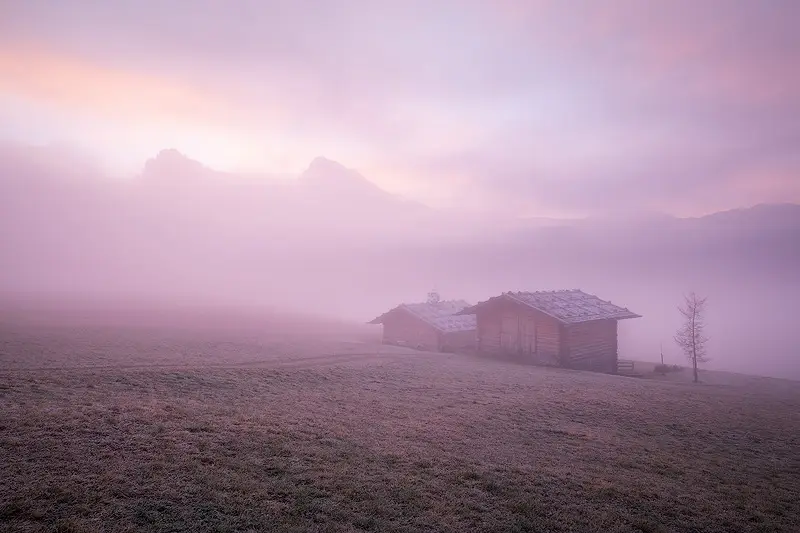
Foregrounds are everywhere, but they must be found from marked paths. Try a 70–200 mm focal length to bring the barns and mountains into a coherent relationship.
Sanon and Contrin circuit from Mont Sëuc · Official hiking maps
Sciliar
The Sciliar / Schlern summit approach: a serious full-day hike
Compatsch → Rifugio Bolzano / Schlernhaus. The official hut-to-hut itinerary lists the one-way stage via Panorama and Saltner at 9.2 km, with about 830 m of ascent and a reference time of 3½ hours. It ends at the refuge and excludes the return. Starting with the Panorama chairlift changes the walking approach.
From the gentle plateau, the path climbs on switchbacks through mountain pines to high open ground. The summit of Petz (Monte Pez), at 2,564 m, is a separate extension from the refuge, when weather and fitness allow.
Allow a full day if returning to Compatsch on foot. Check the route, weather, hut opening and last descent of the Seis cable car before you go. For hikers whose priority is photographing the meadows, the lower walks leave more time to work with the light.
Photography Notes
Consider the climb as an opportunity to photograph the plateau from above rather than merely aiming to tick off the summit. Strong atmospheric perspective can reveal its extraordinary size.
Official Compatsch–Schlernhaus stage · Mountain huts of the Dolomites
Best Viewpoints on Alpe di Siusi

Compatsch: the simplest orientation point and the place where many walking days begin. The views improve as you move away from the transport hub, so use it as a start rather than spending the entire day here.
Puflatsch and Engelrast: a broad overview of the plateau and the surrounding mountain groups, particularly rewarding when moving clouds break up the light.
Sanon and central meadow paths: classic Alpe di Siusi scenery – barns, rolling pastures and the mountain silhouettes that make the area so recognisable.
Ritsch / Steger Trail corridor: an excellent transition between the open centre of the plateau and quieter paths toward Saltria.
Saltria: a calmer-feeling settlement framed by the imposing southeastern mountains, well suited to a walking lunch stop or a longer afternoon.
The Sciliar side: as you move closer to the mountain, the easy pastoral shapes give way to sharper rock and a more alpine atmosphere.
None of these are secret locations, and that is fine. The strongest photographs depend much more on weather, patience and composition than on a supposedly hidden GPS coordinate.
Where to Stay Near Alpe di Siusi
Choose your base according to how you will spend your days, not simply which hotel has the most spectacular promotional photograph. These are areas, not unverified hotel endorsements.
| Base | Best for | Main consideration |
|---|---|---|
| On Alpe di Siusi itself | Sunrise/sunset photography and immediate trail access | Fewer places to stay; access permits and overnight logistics matter. |
| Siusi allo Sciliar / Seis am Schlern | First-time visitors, car-free hikers, practical access to Compatsch | You still depend on lift hours for daytime plateau access. |
| Castelrotto / Kastelruth | A traditional village atmosphere with bus connections | A bus or short transfer separates you from the main cable car. |
| Fiè allo Sciliar / Völs am Schlern | A quieter village base, combining the plateau with lower-level walks | Extra bus journey to Seis; less ideal for a very early start. |
| Ortisei / St. Ulrich | Combining the plateau with Val Gardena destinations | Its gondola reaches Mont Sëuc, not Compatsch; separate schedules apply. |
Staying directly on Alpe di Siusi
If your main goal is to photograph the plateau in its most atmospheric light, I would prioritise accommodation on the plateau over a more luxurious hotel far away. Being able to step onto a marked path before sunrise changes the experience completely. Compare options around Compatsch, Panorama, Ritsch and Saltria, and ask whether the property is reachable by permitted vehicle or shuttle, what happens on the arrival and departure days, and whether breakfast times suit your hiking plan.
Siusi allo Sciliar: the most convenient all-round base
For most hikers, Siusi is the clearest recommendation. It is connected to the major cable car and still offers the flexibility of a village with shops, restaurants and onward bus links. It makes more sense than staying far away if you plan to visit Alpe di Siusi on several consecutive days.
Castelrotto: charm and practical access
Castelrotto is a beautiful option for travellers who want a genuine South Tyrolean village atmosphere. It is connected to the main cable-car area by public transport, and the Seiser Alm Express provides another possible route to the plateau. The exact journey depends on the timetable; do not assume a bus is waiting whenever you finish a hike.
Fiè allo Sciliar: a quieter option nearby
Fiè works well for visitors who also want to explore the lower slopes of the Sciliar area. Official local information lists shuttle line 2 to the Seis cable-car station. Choose it if you appreciate a quieter base and do not mind an additional connection.
Ortisei: best if Alpe di Siusi is one part of a Val Gardena trip
Ortisei is a good choice for a wider Dolomites itinerary because it also places you near the Val Gardena lift network. For this particular guide, however, it should remain the alternative base rather than the headline recommendation: people focused solely on Alpe di Siusi will often find Siusi or on-plateau accommodation more convenient.
Planning sources: Siusi, Castelrotto, Fiè.
Best Time to Visit
Late spring and early summer: the meadows become vividly green, although the exact timing of flowering varies with snow, temperature and elevation. Some higher or shaded routes may remain wet or snowy.
July and August: the widest choice of operating lifts, huts and transport connections, along with the busiest paths. Start early, book what needs booking and use the extensive network to avoid concentrating every visit at the same viewpoint.
September: a particularly good month to plan for landscape photography: softer light, changing grasses and the possibility of quieter trails. The weather is not guaranteed to be stable, and daylight hours become shorter.
October: autumn colour in the surrounding larch forests, cooler mornings and sometimes beautiful atmospheric conditions. Check the exact date that each lift and hut closes. Snow can arrive at plateau level.
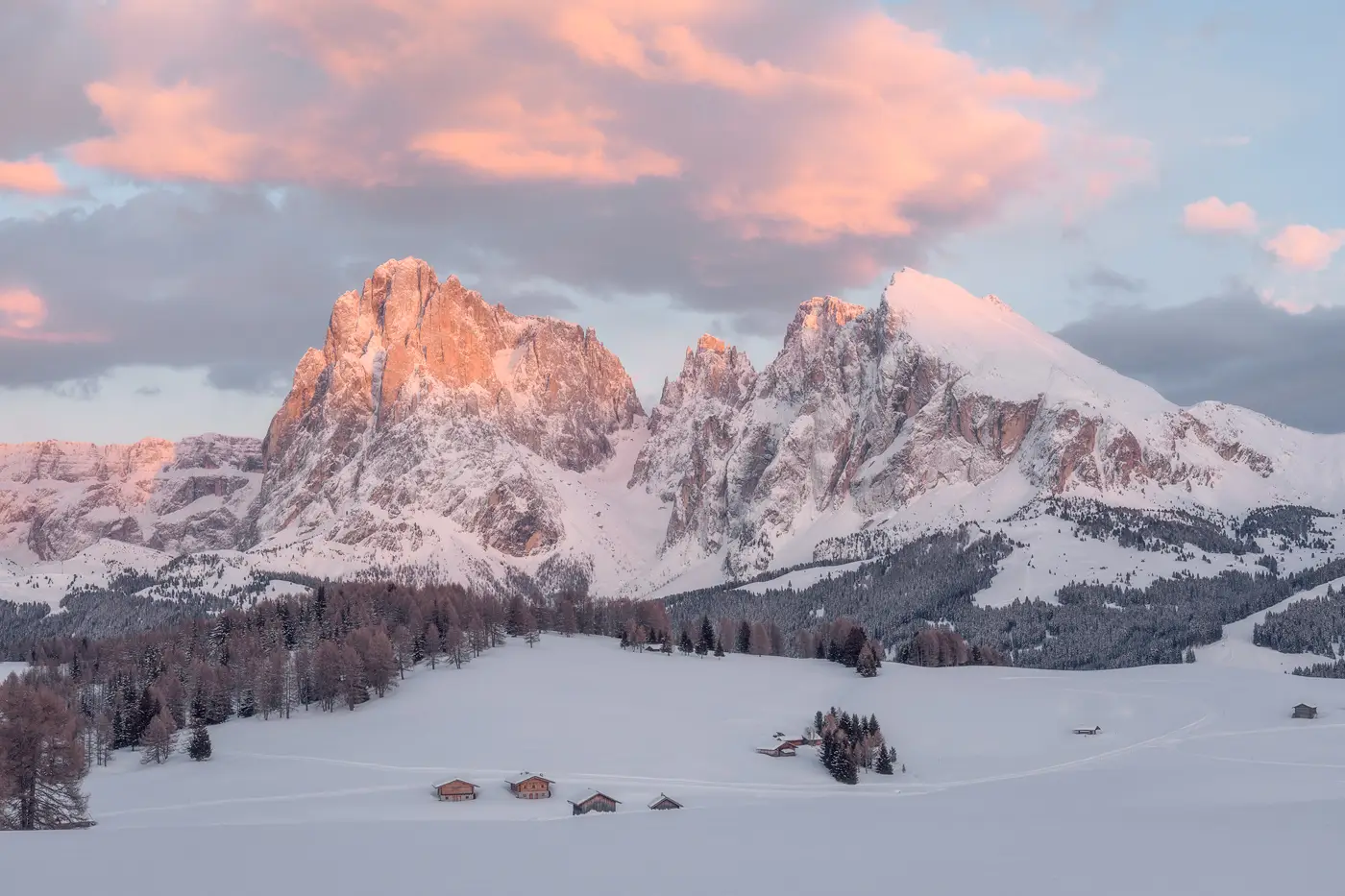
Winter: a completely different experience. The plateau becomes a snow-sports destination, and summer hiking routes should not be assumed safely walkable. Use the appropriate winter trail network and current avalanche information.
Photographing Alpe di Siusi
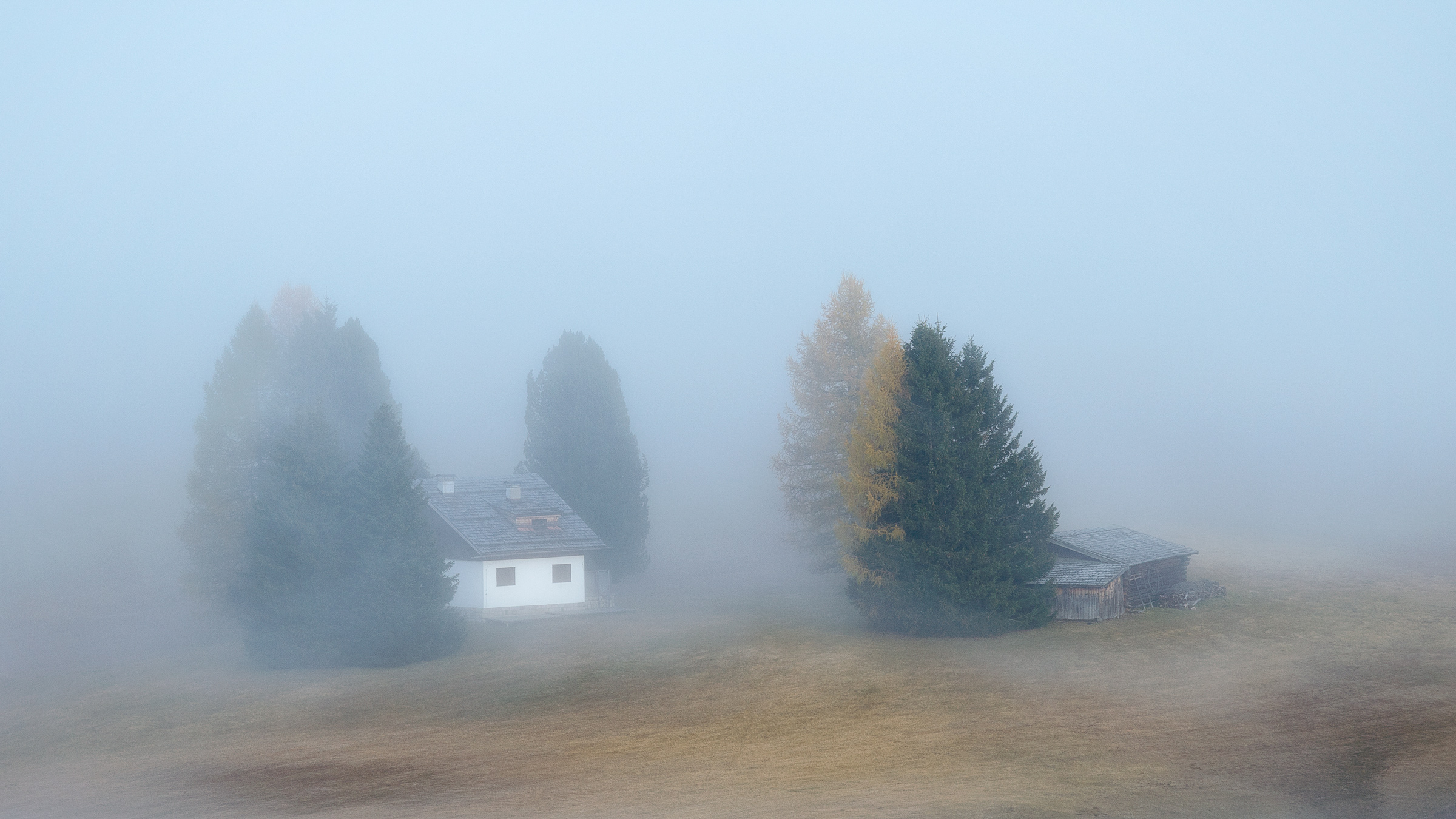
Alpe di Siusi rewards subtle, deliberate compositions. Its fame sometimes encourages people to look for an exact imitation of a photograph they have seen online. The more interesting challenge is to create something personal from the landscape that is actually in front of you.
Light: low-angle morning or evening light adds depth to the meadows, but overcast skies can be excellent for delicate tonal transitions and mist. On bright days, use side light to reveal the land’s gentle curves.
Focal lengths: a wide-angle lens suits open skies and large-scale mountain relationships; a standard zoom is ideal for framing meadows and huts; a telephoto can isolate repeated ridges, barns and rock faces. Avoid making Sassolungo so small that the scene loses its anchor.
Weather: low clouds and drifting mist can create extraordinary atmosphere. They also reduce visibility. Choose a safe, familiar route, carry an offline map and avoid setting out onto unfamiliar ground just for a dramatic photograph.
Ethics: some of the most iconic images include private barns and cultivated pastures. Stay on public marked trails, obey signs and gates, keep a respectful distance from livestock, and never walk into private hay meadows to recreate a composition. Drones are subject to aviation and protected-area restrictions; do not assume recreational flights are permitted.
A useful photographic exercise: choose one ordinary stretch of path and make three genuinely different images from it – an expansive landscape, a layered telephoto study and a small detail. This is often more rewarding than chasing five locations in an hour.
Planning for Sunrise and Sunset
Public transport is excellent for normal hiking hours, but usually not for the very first or last light. In high summer, sunrise can be long before the first lift; sunset may fall after the final descent. There are three realistic solutions:
- Stay on the plateau. Leave from your accommodation on a permitted path before the lifts start, or stay for the evening light.
- Arrange an early legal arrival. Check the road and parking times, reserve your space and allow time to walk to the viewpoint. The public plateau car parks close to parking overnight.
- Walk from the valley. Allow substantially more time. Pick a documented route that suits your experience and avoid navigating unfamiliar ground in the dark.
For a longer photographic trip timed around the light, take a look at the Dolomites Autumn Photography Tour or the Private Dolomites Photography Tour.
A Simple One-Day Itinerary
Morning: arrive via the Seis cable car at Compatsch. Spend time understanding the meadow shapes and the mountains beyond. Follow an appropriate section of the Hans and Paula Steger Trail toward Ritsch and continue toward Saltria if time and energy allow.
Lunch: stop at a hut along your actual route. Check current hut opening dates and use the Mountain Huts guide if you’re planning a longer walking itinerary in the Dolomites.
Afternoon: return via the trail or the Almbus line 11 if operating, leaving plenty of time for the final cable-car descent. Alternatively, choose a shorter loop around the central meadows or the Puflatsch area rather than attempting both in one rushed day.
For photographers: do not automatically add sunset to this plan. With a daytime cable-car ticket and no overnight or legally arranged return, you may be unable to stay for the light you wanted.
For a route planned around your pace and the lift schedule, see the Alpe di Siusi private hiking Experience.
Common Mistakes to Avoid
- Driving toward Compatsch at midday. The road restriction is real, even with a parking booking.
- Assuming the Ortisei lift arrives at Compatsch. It reaches a different section of the plateau.
- Counting on public transport for sunrise. Ordinary daytime lift schedules do not make that possible.
- Treating a one-way trail as a circular hike. Check whether your route ends in Saltria or returns to its start.
- Assuming the Guest Pass covers every lift and shuttle. Ticket systems differ.
- Walking across private meadows to photograph a barn. Remain on authorised routes.
- Overplanning. The landscape’s character reveals itself when you have time to stop and observe.
Frequently Asked Questions
Can you visit Alpe di Siusi without a car?
Yes. The main cable car from Siusi and the gondola from Ortisei provide excellent daytime access, supported by regional buses. The challenge is arranging dawn or late-evening photography beyond operating hours.
Can you drive to Alpe di Siusi?
Day visitors can drive uphill in the permitted window with an online booking for P1 Spitzbühl or P2 Compatsch. During the regulated season, uphill access is restricted 09:00–17:00; driving downhill is permitted at any time. Official exceptions apply for accommodation guests and certain other categories.
Can you park overnight to photograph sunrise?
Do not plan to sleep in a car or leave a vehicle in the plateau car parks overnight: the official rule prohibits parking there from 23:00 to 05:00. For convenient sunrise access, stay in approved accommodation on the plateau or arrange a lawful early arrival with adequate time to walk.
Is Alpe di Siusi worth visiting if you do not hike much?
Absolutely. The cable cars give access to beautiful high-altitude scenery and there are gentle walking options. Still, the terrain is alpine, and even easy paths can be slippery or tiring in poor weather.
Is it better to stay in Ortisei or Siusi allo Sciliar?
For a holiday focused on Alpe di Siusi, Siusi usually has the logistical advantage because of the direct access to Compatsch. Choose Ortisei if you also want to explore the rest of Val Gardena and prefer accessing the plateau from the Mont Sëuc side.
How much time do you need at Alpe di Siusi?
One full day is enough for a beautiful first visit. Two or three days allow more hiking choices, more flexibility around weather and the possibility of working carefully with photographic light.
Explore with OutdoorPhotoDream
Experiences
Alpe di Siusi
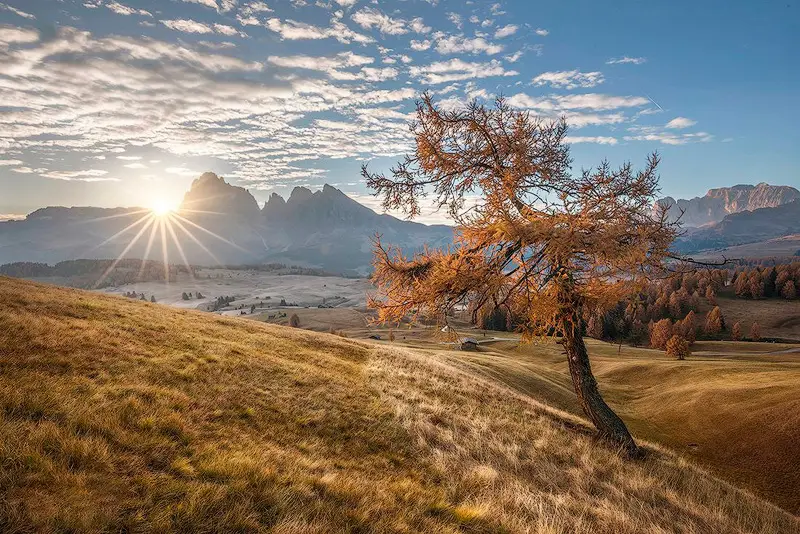
Take a private guided walk through the pastures and choose a pace that leaves time for viewpoints and optional photography.
Explore Experiences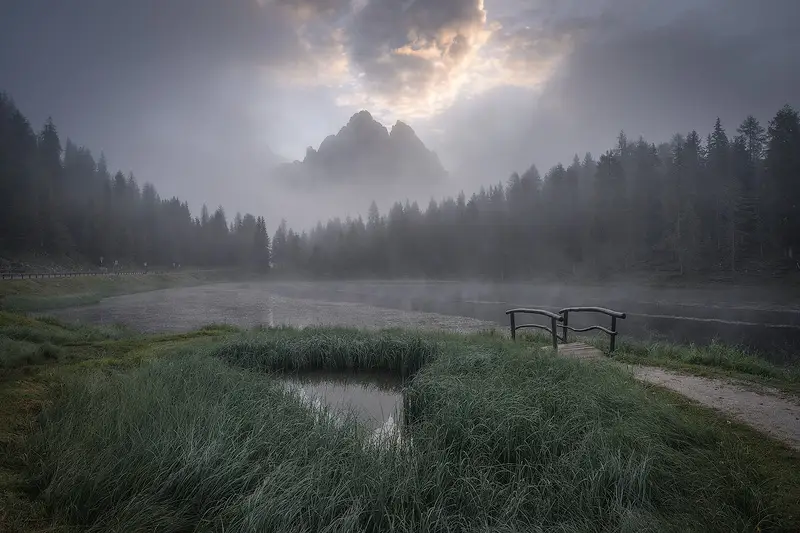
Private Tours
Private Dolomites Photography Tour
Plan a private photography itinerary around the changing light, the season and the places you want to spend time in.
Explore Private Tour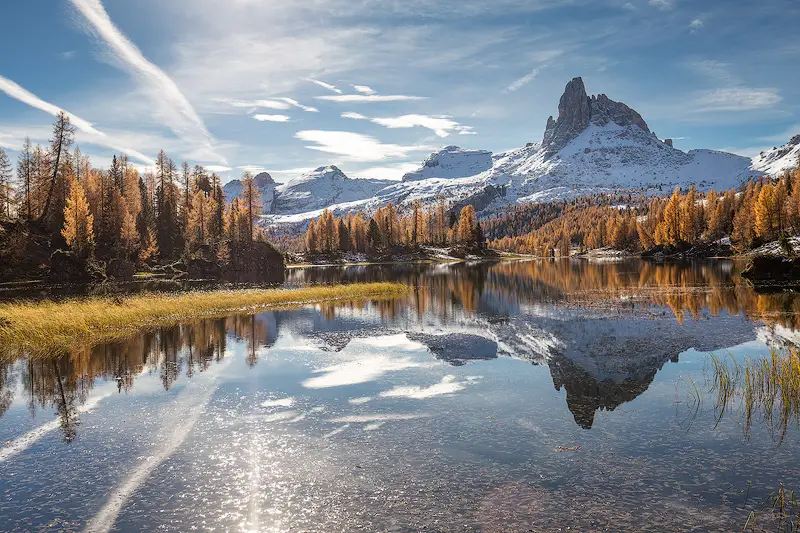
Group Photography Tours
Dolomites Autumn Photography Tour
Photograph alpine meadows, lakes and autumn larches in the Dolomites with a small group and guidance in the field.
Explore Photo Tour
About the author
Federico Antonello
Related Field Notes
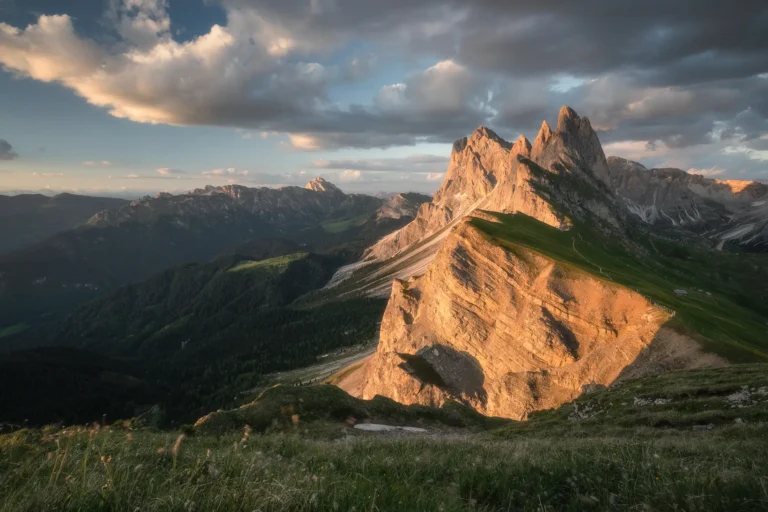
Dolomites Hiking Without a Car: The Complete Guide to Trains, Buses and Trailheads
Choose a base, plan the last bus and find 13 hiking areas in the Dolomites you can reach by train, bus or lift. Includes shuttle advice and three sample itineraries.
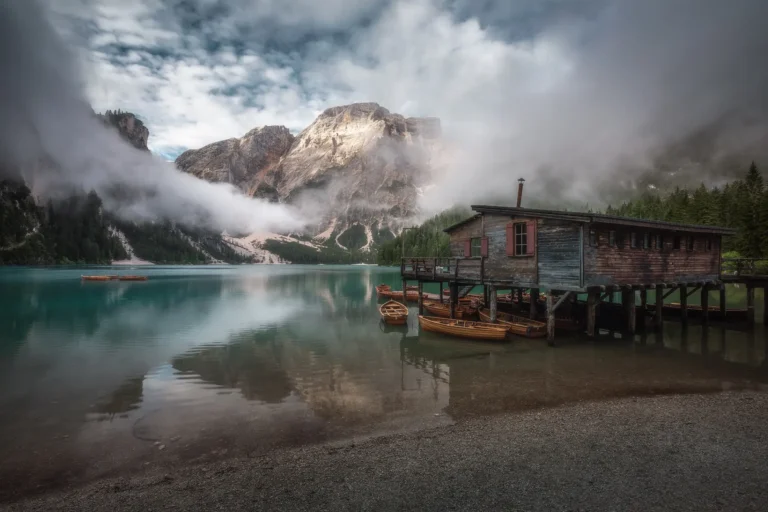
My Favourite Mountain Huts in the Dolomites for Sunrise, Sunset and Photography
Discover some of the best mountain huts in the Dolomites for sunrise, sunset and landscape photography. From iconic locations to hidden gems, these are my personal favourites.

Best Photography Locations in the Dolomites
Find 12 photography locations in the Dolomites, with trail advice, seasonal access, walking times and practical tips for working with the light.


